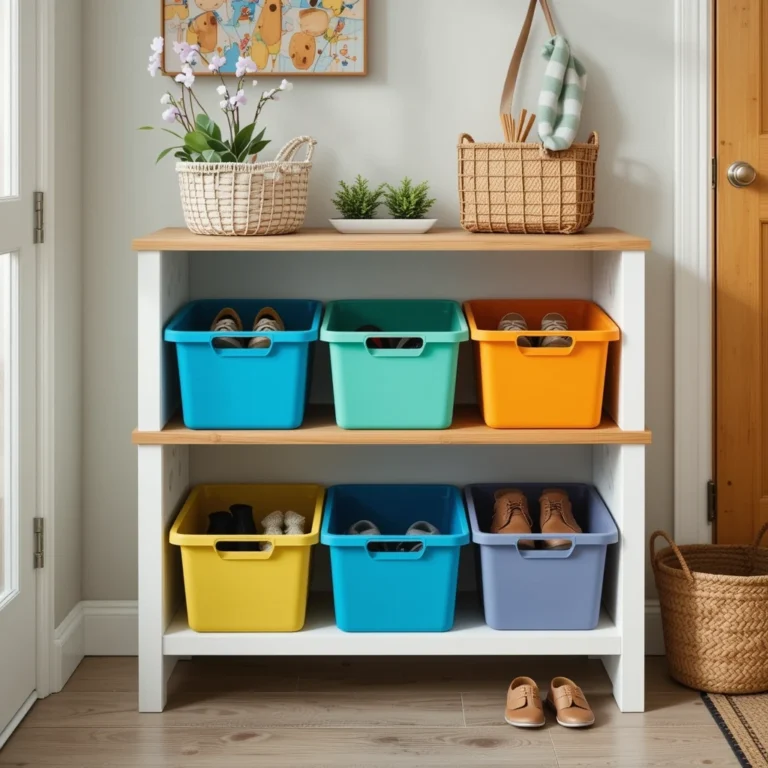
10 Kids Desk Organizer Ideas for a Tidy Study Space
A cluttered desk means a distracted kid — and a stressed-out parent hunting for the missing glue stick five minutes before school. The good news? A little organization goes a long way, and it doesn’t have to be boring. With the right mix of color, function, and a touch of imagination, your child’s desk can become a space they actually want to sit at.
Below are 10 kids desk organizer ideas, complete with styling tips, best-use spots, and a pro tip for each — everything you need to turn a messy corner into a happy, organized homework zone.
1. Rainbow Compartment Caddy
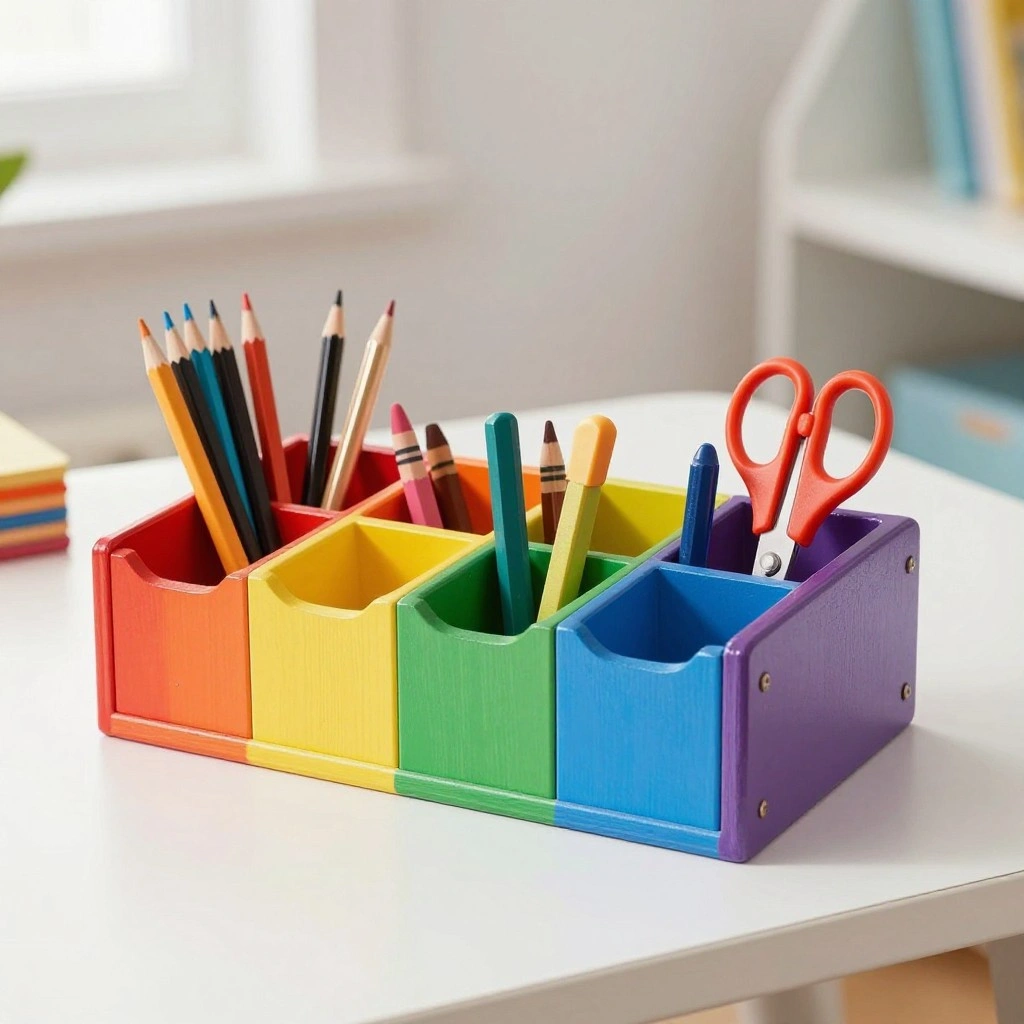
A cheerful multi-slot caddy with each compartment painted or labeled in a different rainbow color — one for pencils, one for crayons, one for scissors, and so on. Kids match supplies to colors, which makes cleanup feel like a game instead of a chore.
How to Style It:
- Use a wooden or plastic caddy with at least 4-6 open sections
- Paint each section a different bright, cheerful color
- Add small hand-painted labels or stickers (pencils, markers, scissors)
- Finish with a coat of clear sealant so it holds up to daily little-hand use
Where to Use It: Perfect for the corner of a study Kids Desk Organizer, a shared sibling desk, or a classroom-style homework nook.
Pro Tip: Let your child help choose the colors — kids are far more likely to keep a space tidy when they had a hand in designing it.
2. Dinosaur-Themed Desk Organizer
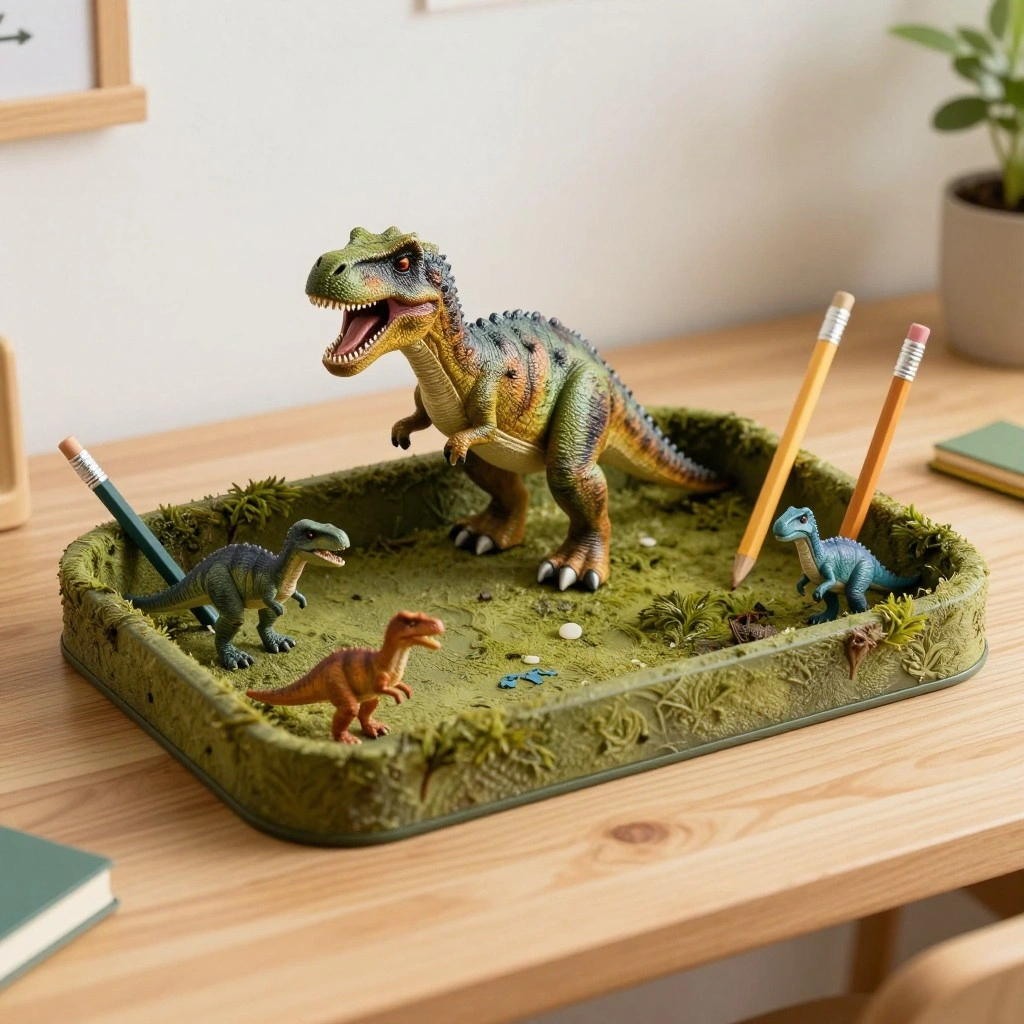
A fun prehistoric-themed caddy shaped like a dino footprint tray or decorated with little dinosaur cutouts standing guard over pencils and erasers. Great for dino-loving kids who need a reason to actually use their desk.
How to Style It:
- Choose a caddy in earthy green, brown, or mossy tones
- Add small dinosaur figurines or cutouts around the base as “guards”
- Use a textured mat underneath to mimic a “dino dig site” look
- Keep the color palette natural and adventure-themed
Where to Use It: Great for a boy’s or girl’s bedroom desk, a playroom study table, or a shared kids’ homework station.
Pro Tip: Add a tiny chalkboard sign that says “Dino Zone” — small personalized touches make kids feel proud of their space.
3. DIY Mason Jar Pencil Holders
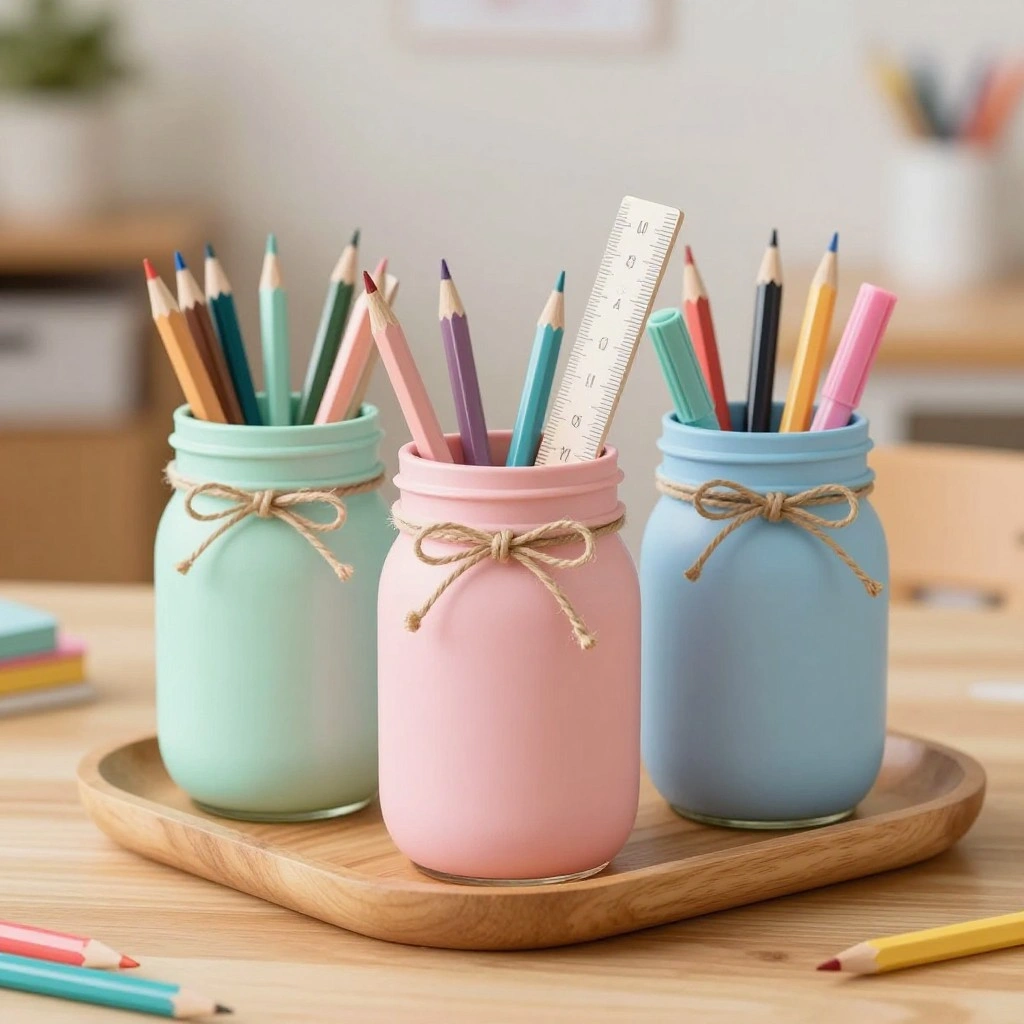
Simple mason jars painted in pastel colors or wrapped in patterned fabric, lined up to hold pencils, markers, and rulers. An easy, budget-friendly project that adds a charming handmade touch to any desk.
How to Style It:
- Paint jars in soft pastels (mint, blush pink, baby blue) or wrap with washi tape
- Group 3-4 jars together on a small wooden tray
- Add a ribbon or twine bow around each jar’s neck
- Keep tallest jars for scissors and rulers, shorter ones for pencils
Where to Use It: Ideal for a small desk with limited drawer space, a craft table, or a reading corner shelf.
Pro Tip: Use unbreakable plastic jars for younger children to keep things safe and worry-free.
4. Hanging Wall Pocket Organizer
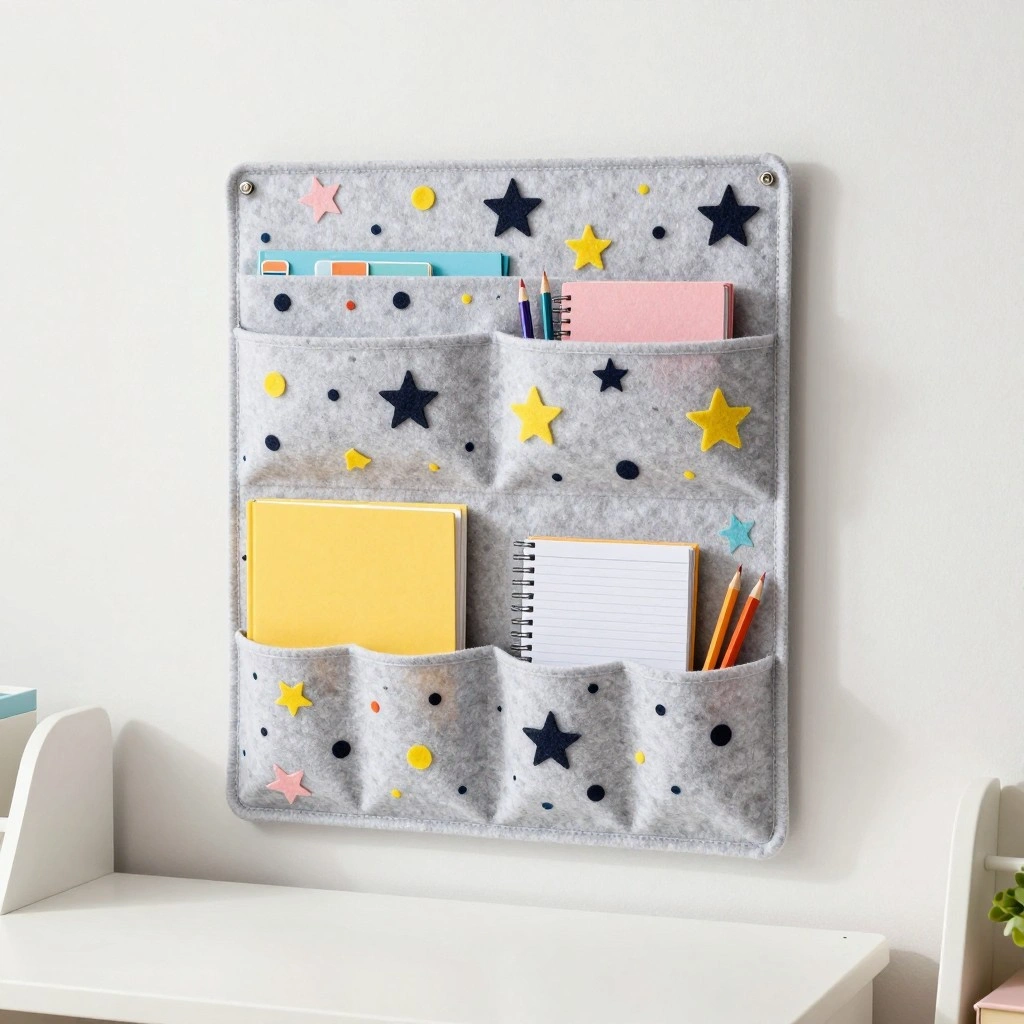
A fabric or felt wall-mounted pocket organizer that hangs above the desk, keeping notebooks, worksheets, and art supplies off the surface entirely. Frees up desk space while keeping everything within easy reach.
How to Style It:
- Choose felt or canvas pockets in fun patterns (stars, polka dots, stripes)
- Mount at a height your child can comfortably reach
- Label each pocket with a picture or word (homework, art, library books)
- Mix pocket sizes for folders, pencils, and small notebooks
Where to Use It: Best above a small desk, in a shared bedroom, or in a compact study nook where floor and surface space is limited.
Pro Tip: Rotate what’s in each pocket weekly based on that week’s school subjects to keep things fresh and relevant.
5. Stackable Drawer Bins
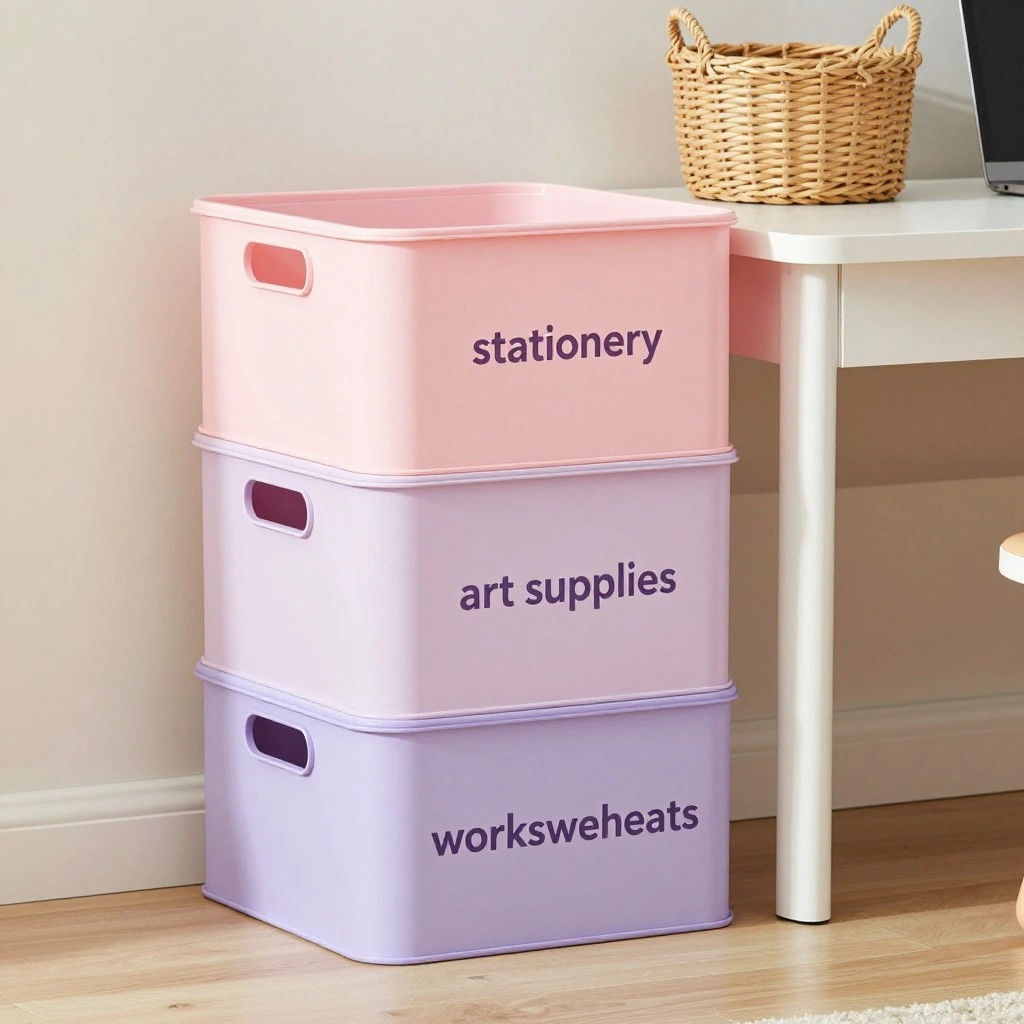
Small stackable plastic or cardboard bins that sort supplies by category — one bin for stationery, one for art supplies, one for loose worksheets. Stacking saves space while keeping every category clearly separated.
How to Style It:
- Choose bins in matching colors or a soft ombre gradient
- Label each bin clearly with words or simple icons
- Stack no more than 3 high to keep them easy for small hands to reach
- Add a woven basket on top for oddly-shaped items
Where to Use It: Great for desks tucked into a closet nook, a bunk bed study corner, or any small-footprint homework space.
Pro Tip: Keep the most-used bin (like daily homework folders) on top for quick, no-fuss access.
6. Space & Rocket Theme Organizer
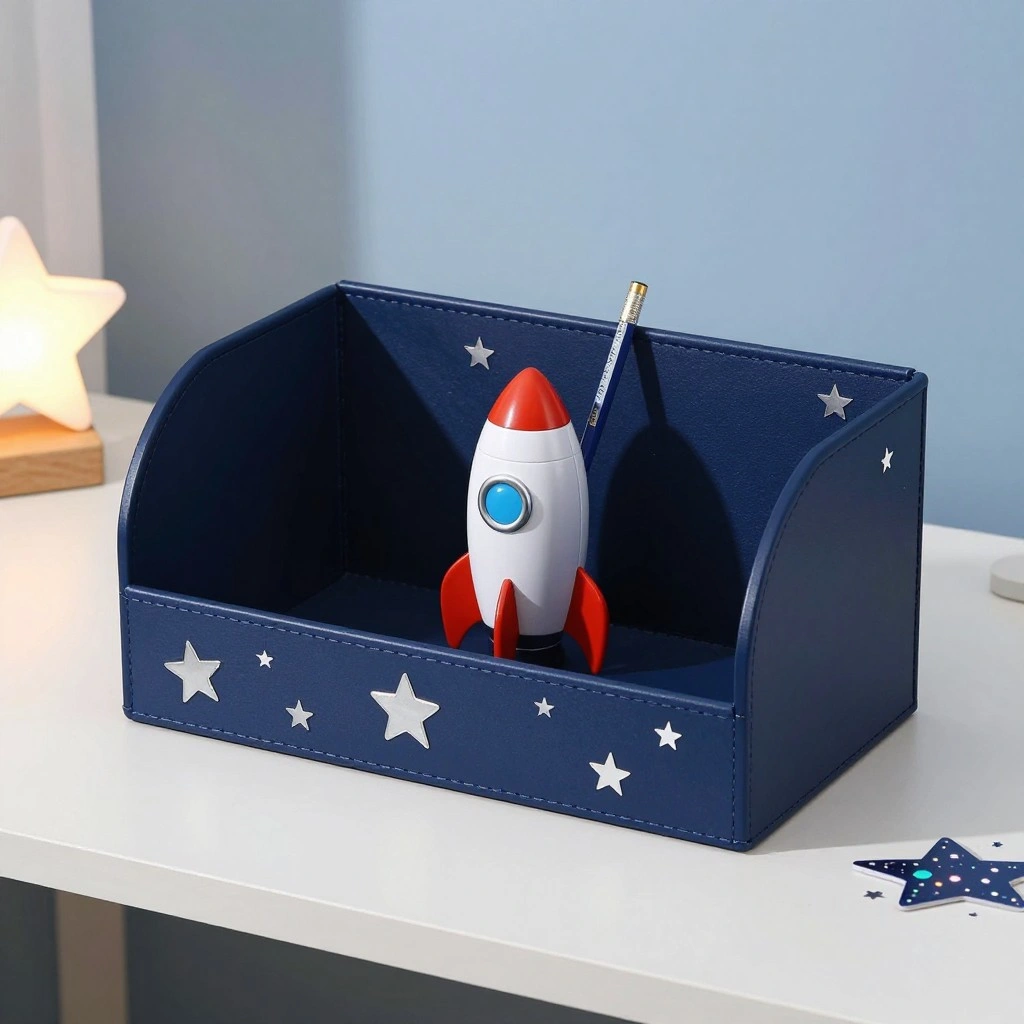
A galaxy-themed desk caddy featuring rocket ship cutouts, star stickers, and a deep navy-and-silver color scheme. Turns homework time into a “mission control” adventure for space-obsessed kids.
How to Style It:
- Paint the caddy navy blue with silver star accents
- Add a small rocket-shaped pencil holder as the centerpiece
- Use glow-in-the-dark star stickers around the edges
- Keep the rest of the desk simple so the theme stands out
Where to Use It: Perfect for a bedroom desk, a reading nook, or a shared kids’ study room with a space or science theme.
Pro Tip: Add a small desk lamp with a star or moon shade to complete the “mission control” feel without overwhelming the space.
7. Under-Desk Cubby Shelf
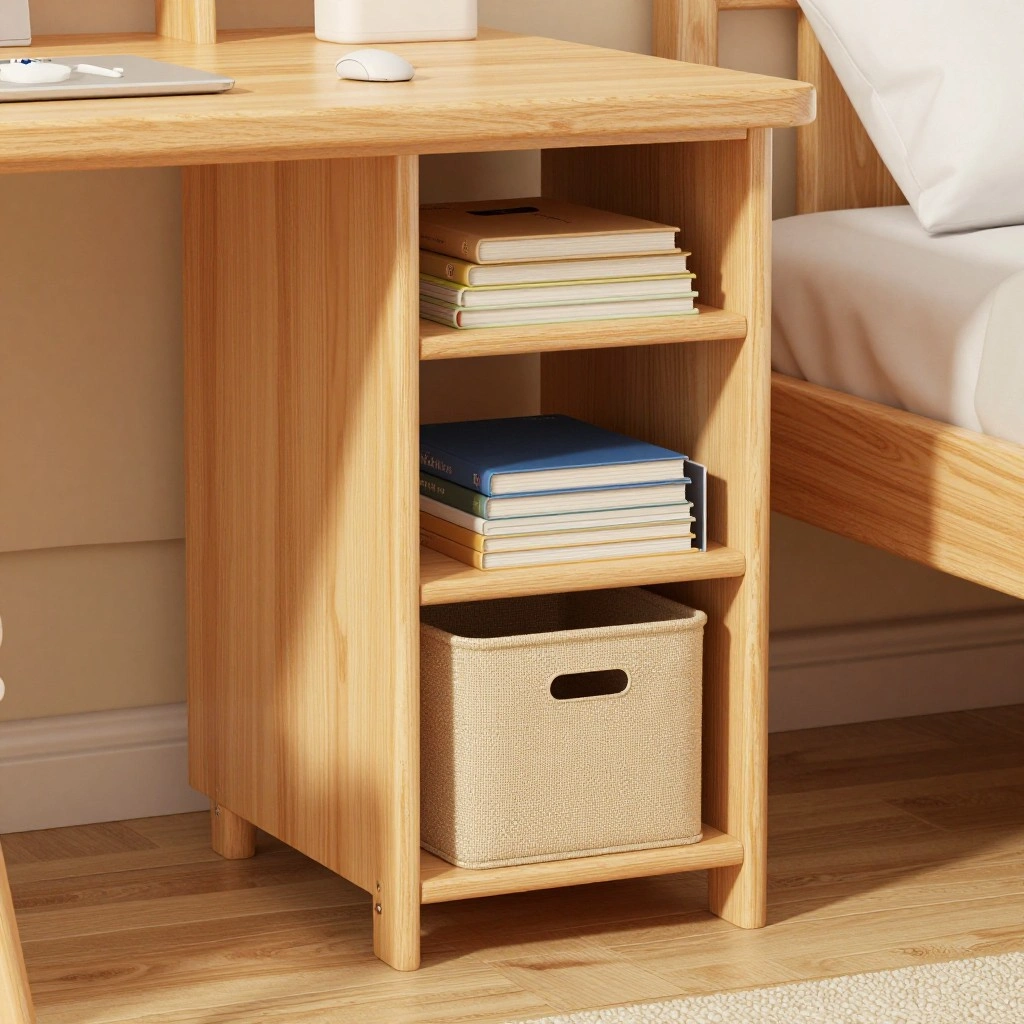
A small shelving unit installed beneath the desk surface, using vertical space that usually goes to waste. Perfect for storing books, folders, or a backpack without cluttering the desktop.
How to Style It:
- Choose a shelf that matches or complements the desk’s wood tone
- Add 2-3 cubbies of varying sizes for books, folders, and bins
- Include one fabric bin for loose items like chargers or headphones
- Keep the look simple and uncluttered — one item per cubby
Where to Use It: Ideal for smaller bedrooms, shared study spaces, or any desk set against a wall with unused space underneath.
Pro Tip: Reserve the bottom cubby for the backpack so it has a consistent “home” every day after school.
8. Rotating Desktop Carousel
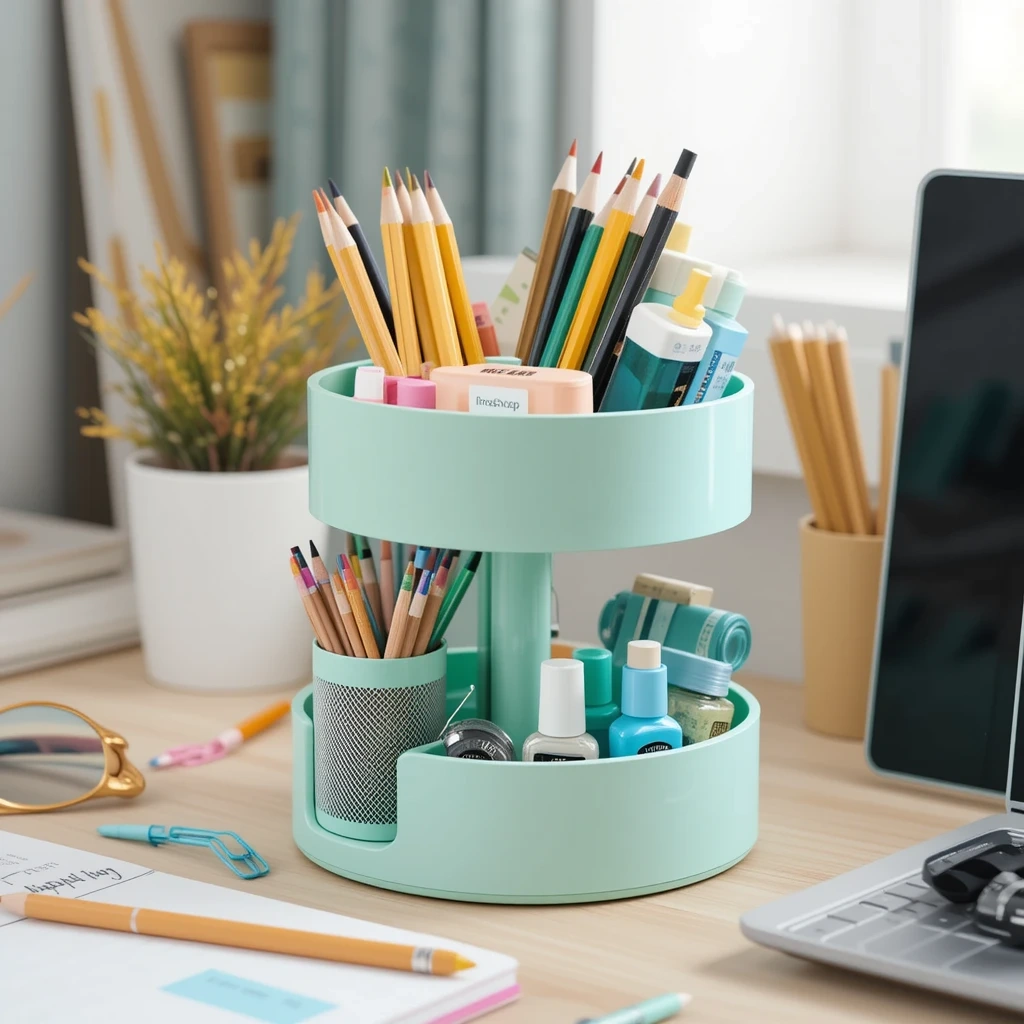
A spinning multi-tier organizer that holds pencils, scissors, tape, and small supplies within a single compact footprint. Kids simply spin it to find what they need — no digging through drawers required.
How to Style It:
- Choose a two-tier rotating caddy in a soft solid color
- Fill the top tier with frequently used items (pencils, erasers)
- Reserve the bottom tier for less-used supplies (glue, tape, paperclips)
- Keep items upright and evenly distributed so it spins smoothly
Where to Use It: Great for small desks, shared sibling study tables, or craft corners where multiple kids need quick access to supplies.
Pro Tip: Place the carousel within easy arm’s reach so your child doesn’t need to stand up mid-homework to grab something.
9. Fabric Bin Bookshelf Caddy
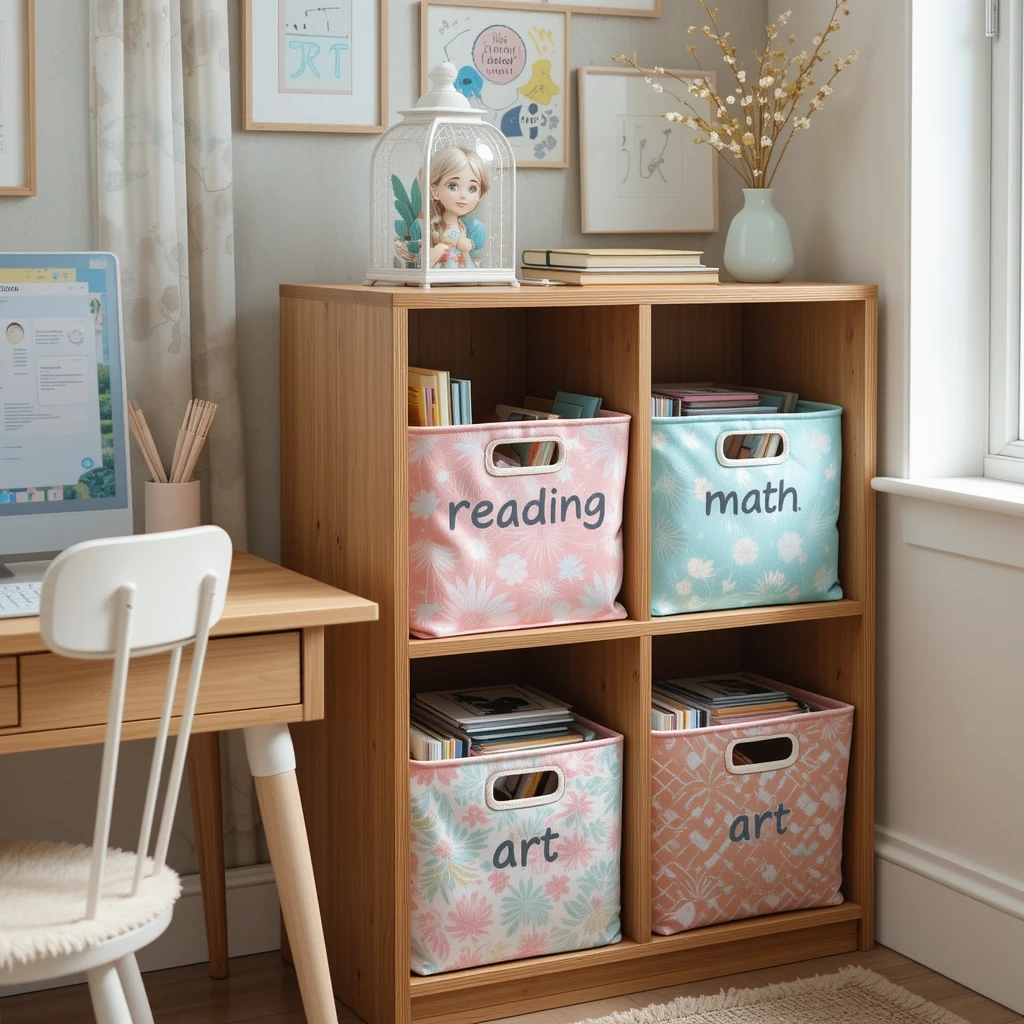
Soft, collapsible fabric bins arranged on a small bookshelf beside the desk, sorting books, notebooks, and loose papers by subject or color. Soft-sided bins are lightweight and safe for kids to move on their own.
How to Style It:
- Choose fabric bins in coordinating colors or patterns
- Label each bin by subject (reading, math, art) or by color-coded folders
- Place heavier bins on lower shelves for easy, safe access
- Add a small woven basket for pencils and loose supplies
Where to Use It: Perfect beside a desk with an adjoining bookshelf, in a shared playroom, or in a reading-and-homework combo corner.
Pro Tip: Involve your child in labeling the bins — using their own handwriting or drawings makes them more likely to put things back correctly.
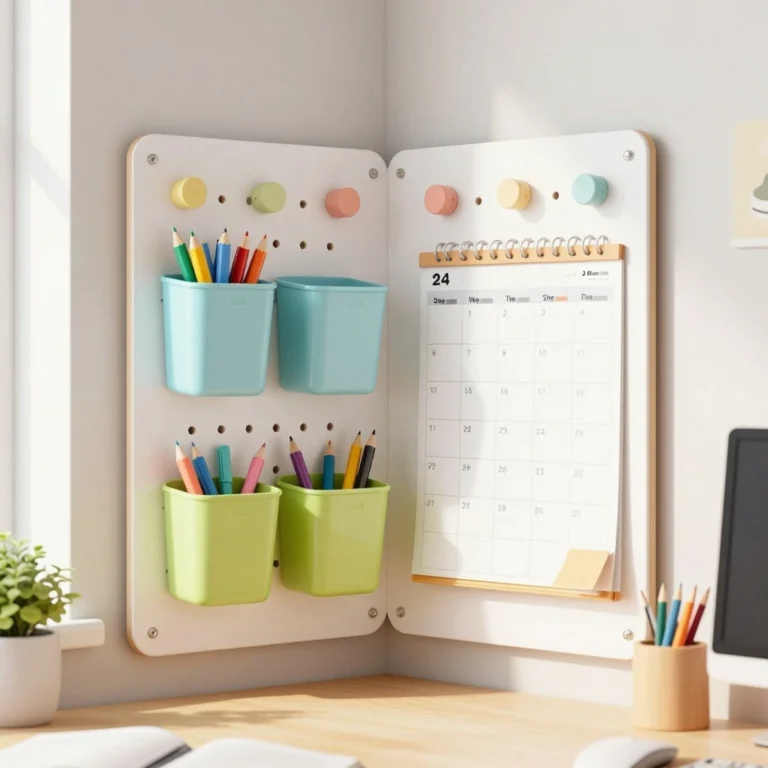
10. Whiteboard Command Center with Cork Board
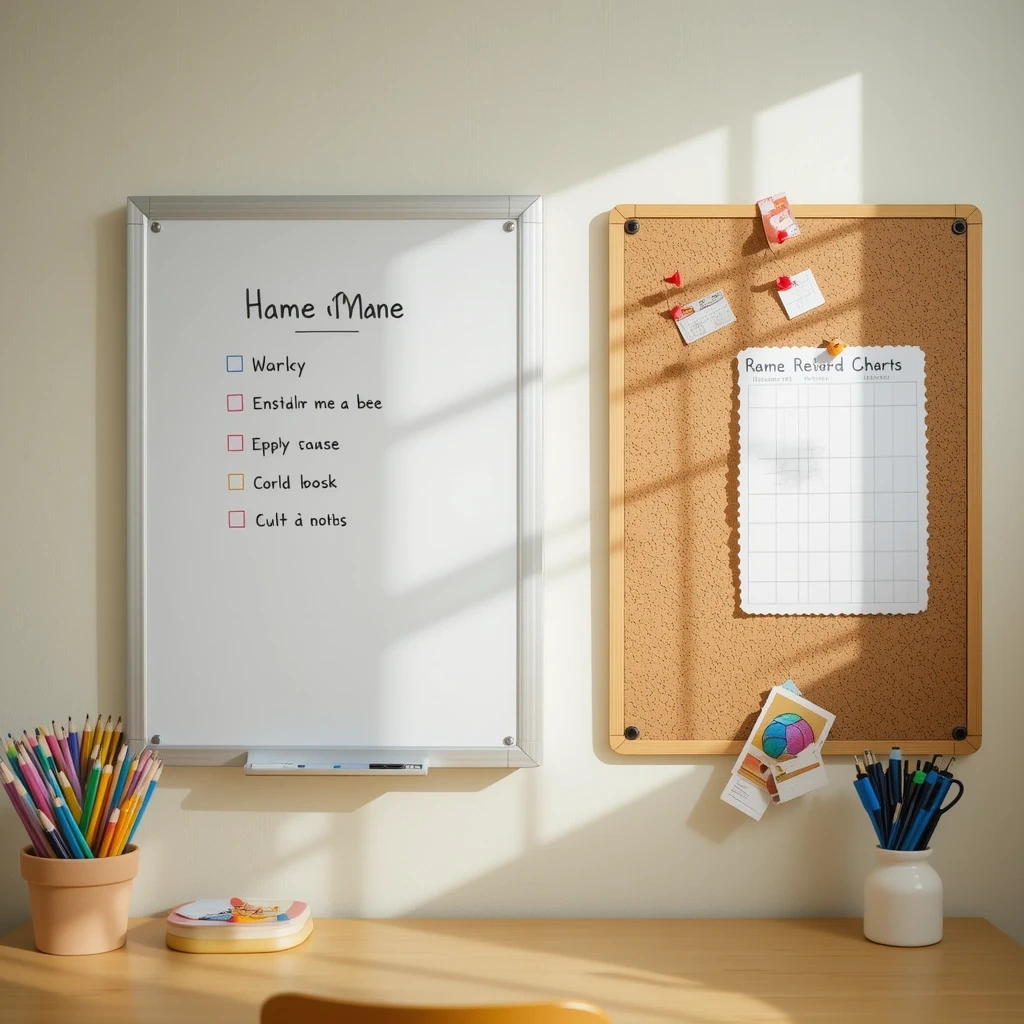
A combination whiteboard-and-corkboard station mounted above the desk, used for daily to-do lists, reminders, and pinned artwork or school notices. Doubles as an organizer and a motivational homework hub.
How to Style It:
- Mount a small whiteboard next to a matching cork board
- Add colorful magnets and push pins for a playful touch
- Write a simple daily checklist on the whiteboard (homework, reading, chores)
- Pin a small reward chart or favorite drawing to the cork board
Where to Use It: Best mounted directly above the desk, in a shared kids’ study room, or in a family homework station in a hallway or kitchen nook.
Pro Tip: Keep the whiteboard checklist short — 3-4 simple daily tasks work far better than a long list for young kids.
Common Mistakes to Avoid
- Overcrowding the desk surface: Too many organizers can defeat the purpose — leave open space for actual homework.
- Choosing organizers that are too small: Kids’ supplies grow fast; pick bins and caddies with room to expand.
- Skipping labels: Without clear labels, even the cutest organizer becomes a junk drawer within a week.
- Placing items out of reach: If your child can’t easily grab or put back an item, they simply won’t use the system.
- Ignoring your child’s input: A system parents love but kids ignore won’t last — involve them in the setup.
Frequently Asked Questions
1. What’s the best desk organizer for a small kids’ desk? Stackable bins, a rotating carousel, or a wall-mounted pocket organizer work best since they save surface space while keeping supplies sorted.
2. How do I get my child to actually use a desk organizer? Let them help choose the colors, labels, or theme. Kids are far more likely to maintain a system they had a hand in creating.
3. Should desk organizers be labeled with words or pictures? For younger kids who aren’t reading fluently yet, picture labels work better. For older kids, word labels help build reading habits.
4. How often should I reorganize my child’s desk? A quick weekly reset works well — just five minutes each weekend to return items to their proper bins keeps the system running smoothly all year.
5. What materials are safest for young children’s desk organizers? Look for rounded plastic bins, soft fabric baskets, or lightweight wood — avoid sharp metal edges or heavy glass containers near younger kids.