12 Creative Closet Organization Ideas You’ll Want to Copy
Is your closet a daily struggle instead of a helpful start to your morning? You’re not alone. A cluttered closet costs you time, patience, and peace of mind — every single day.
The good news is that a beautifully organized closet doesn’t require a huge budget or a total renovation. With a few smart systems and some creativity, you can turn any closet — big or small — into a space that works for your whole family.
Whether you’re organizing a walk-in closet, a small reach-in space, or a shared kids’ closet, this list has an idea for every home. Let’s get your Closet Organization Ideas from chaotic to calm.
1. Double-Hang Rod System
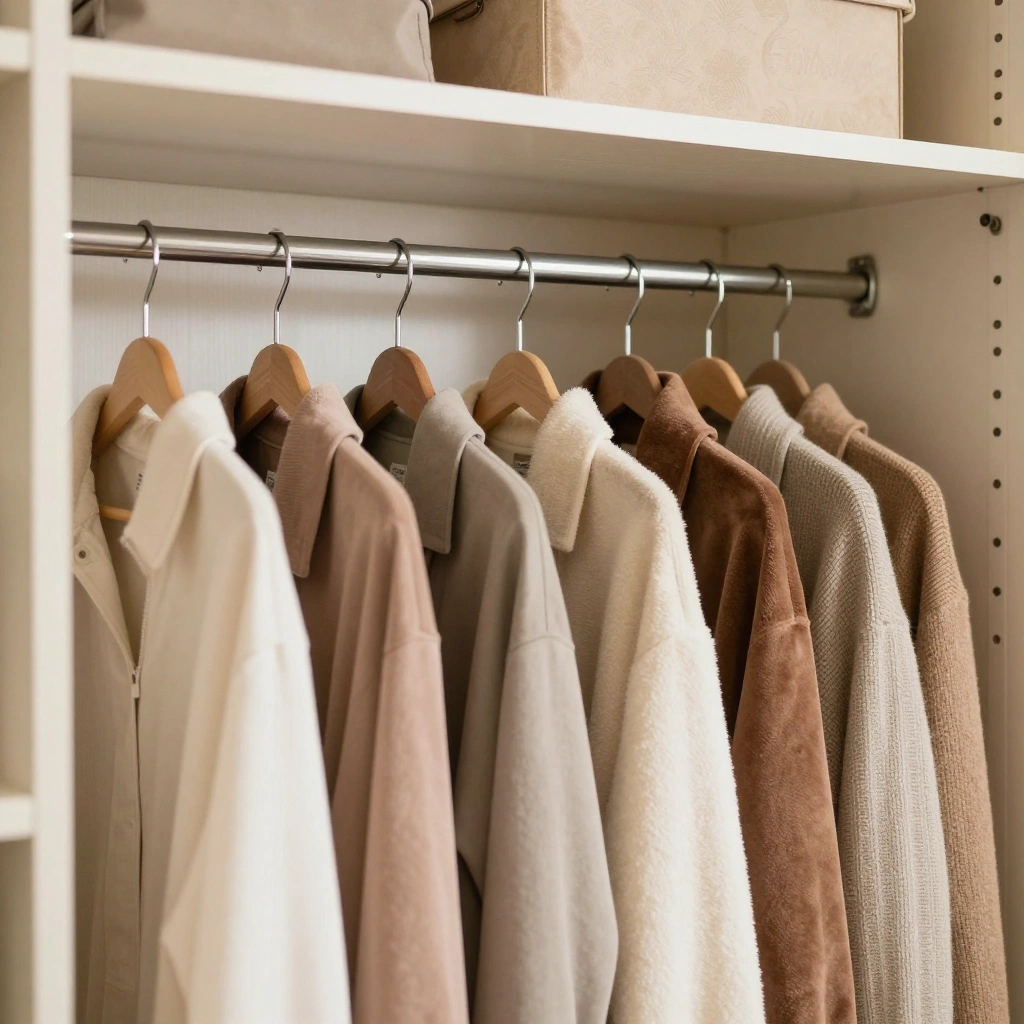
Instantly double your hanging space by installing a second rod beneath your existing one. This is perfect for shirts, folded pants, and children’s clothing that doesn’t need much vertical room.
How to Style It:
- Install the lower rod at a height that suits shorter garments like blouses and kids’ shirts
- Use matching slim velvet hangers for a clean, uniform look
- Group clothing by color for an easy-to-scan, boutique-style display
Where to Use It: Reach-in closets, kids’ closets, and shared family closets where space is limited.
Pro Tip: Add a tension rod as a budget-friendly alternative before committing to permanent hardware.
2. Clear Bin Labeling Station
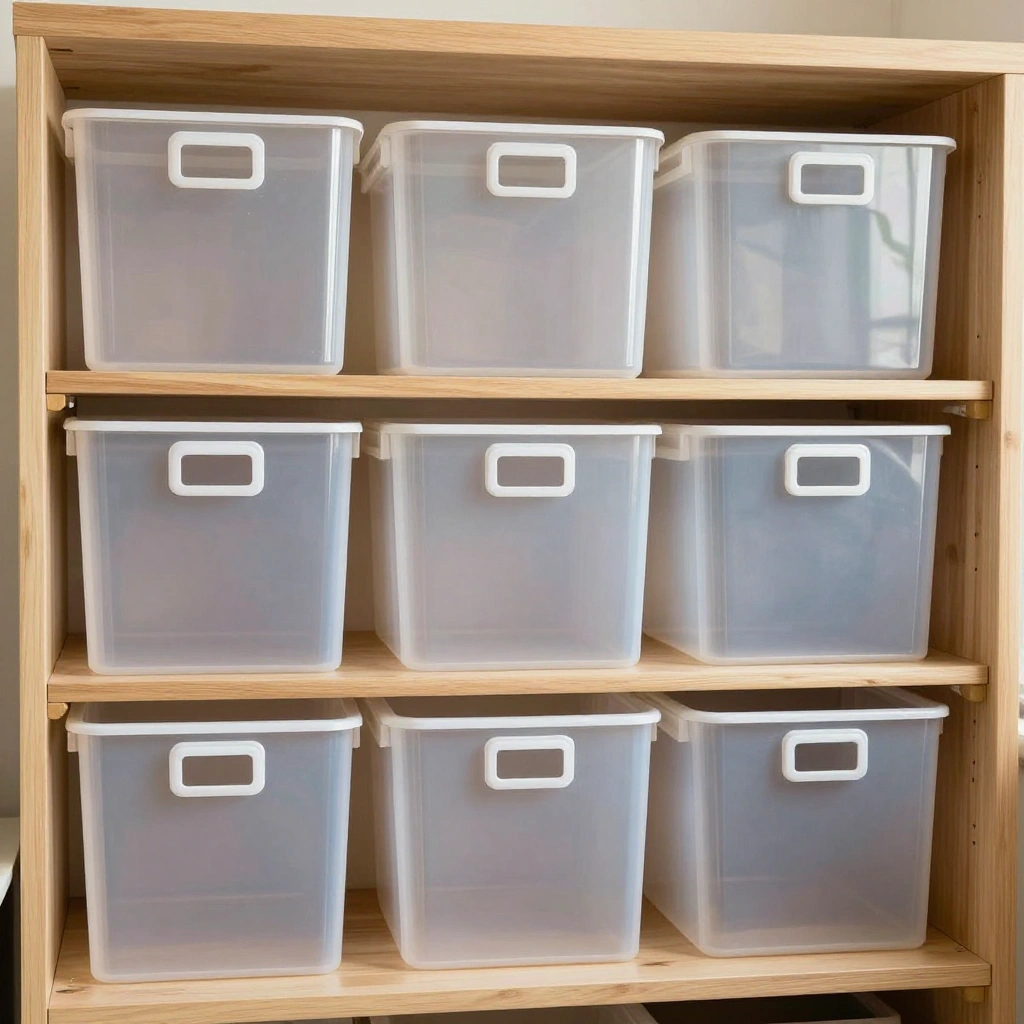
Swap mismatched boxes for a wall of clear, labeled bins. Being able to see contents at a glance saves time and keeps everyone — including kids — accountable for putting things back.
How to Style It:
- Choose uniform clear acrylic or plastic bins in matching sizes
- Add printed or handwritten labels for categories like “scarves,” “hats,” or “kids’ socks”
- Stack bins on shelving to maximize vertical space
Where to Use It: Shelving above hanging rods, closet floors, or a linen and accessory closet.
Pro Tip: Let kids help design their own labels — it builds ownership and makes tidying up a fun habit.
3. Slim Velvet Hanger Upgrade
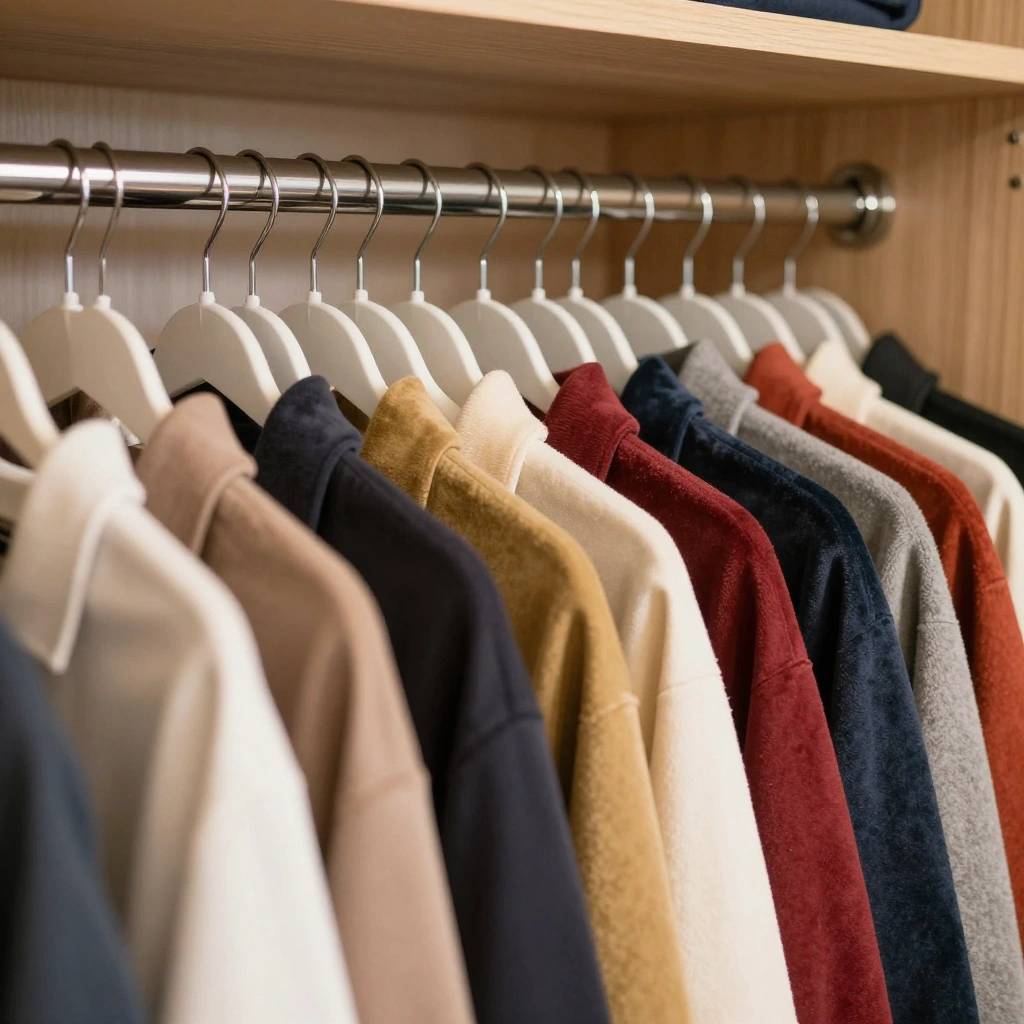
One of the simplest closet transformations is replacing bulky plastic or wire hangers with slim velvet ones. They save space, prevent slipping, and instantly make a closet look more polished.
How to Style It:
- Choose one color of velvet hanger for a cohesive, boutique-style look
- Arrange clothing by type: dresses, tops, then bottoms
- Use matching hangers even for kids’ clothing to keep the whole closet consistent
Where to Use It: Any closet — main bedroom, kids’ room, or a shared family closet.
Pro Tip: A full set of matching hangers is one of the most affordable ways to instantly upgrade a closet’s appearance.
4. Shoe Cubby Wall
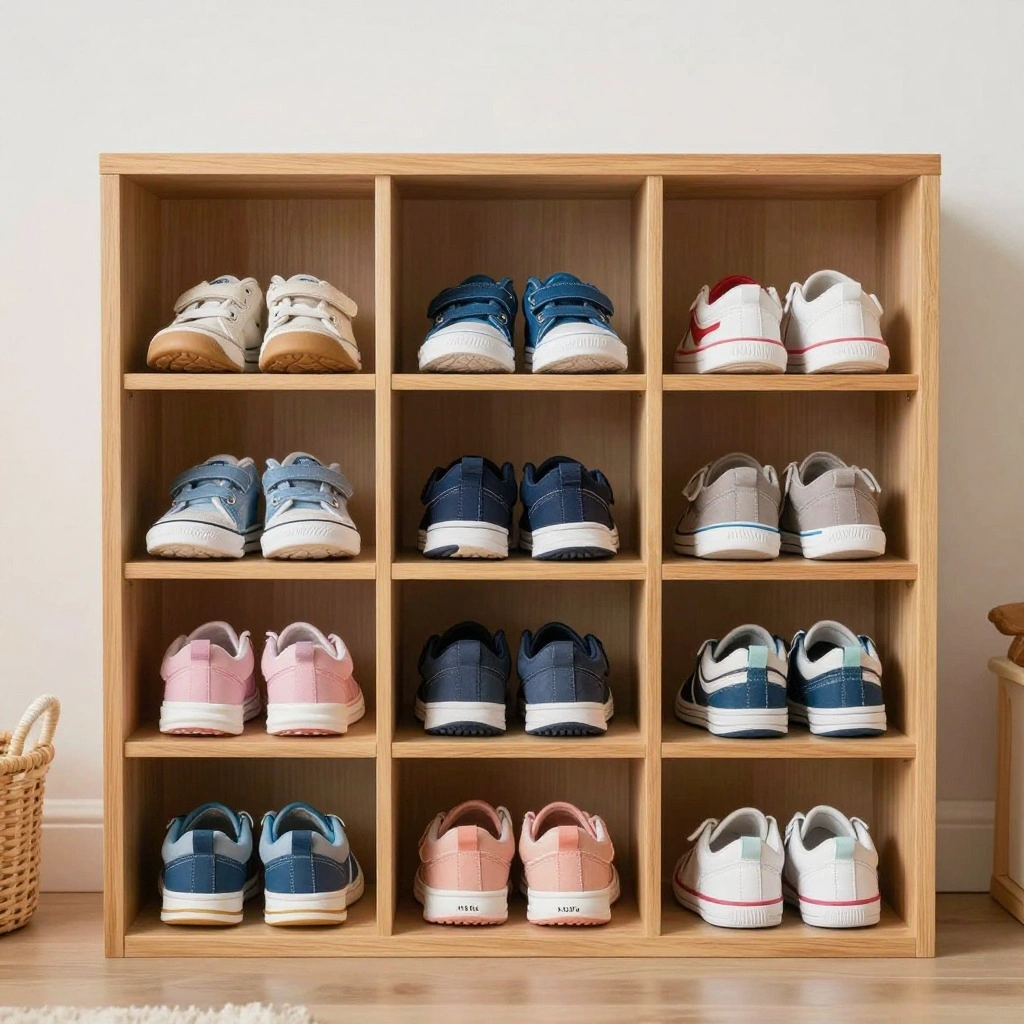
Give every pair of shoes a home with a dedicated cubby wall. This keeps floors clear and makes it easy for kids to find (and return) their own shoes.
How to Style It:
- Use a cube-style shelving unit or built-in cubbies sized for shoes
- Add small labels or photos for younger children who can’t read yet
- Angle a few pairs for a display-style, catalog look
Where to Use It: Entry closets, mudrooms, or the floor of a bedroom closet.
Pro Tip: Keep a small basket nearby for muddy or wet shoes that need to dry before they go back on display.
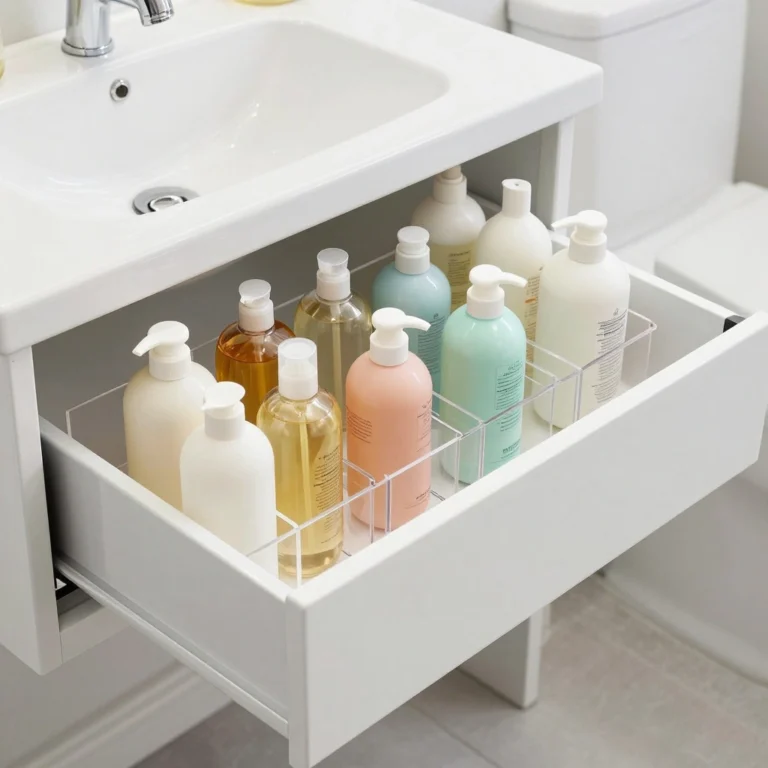
5. Pull-Out Drawer Dividers
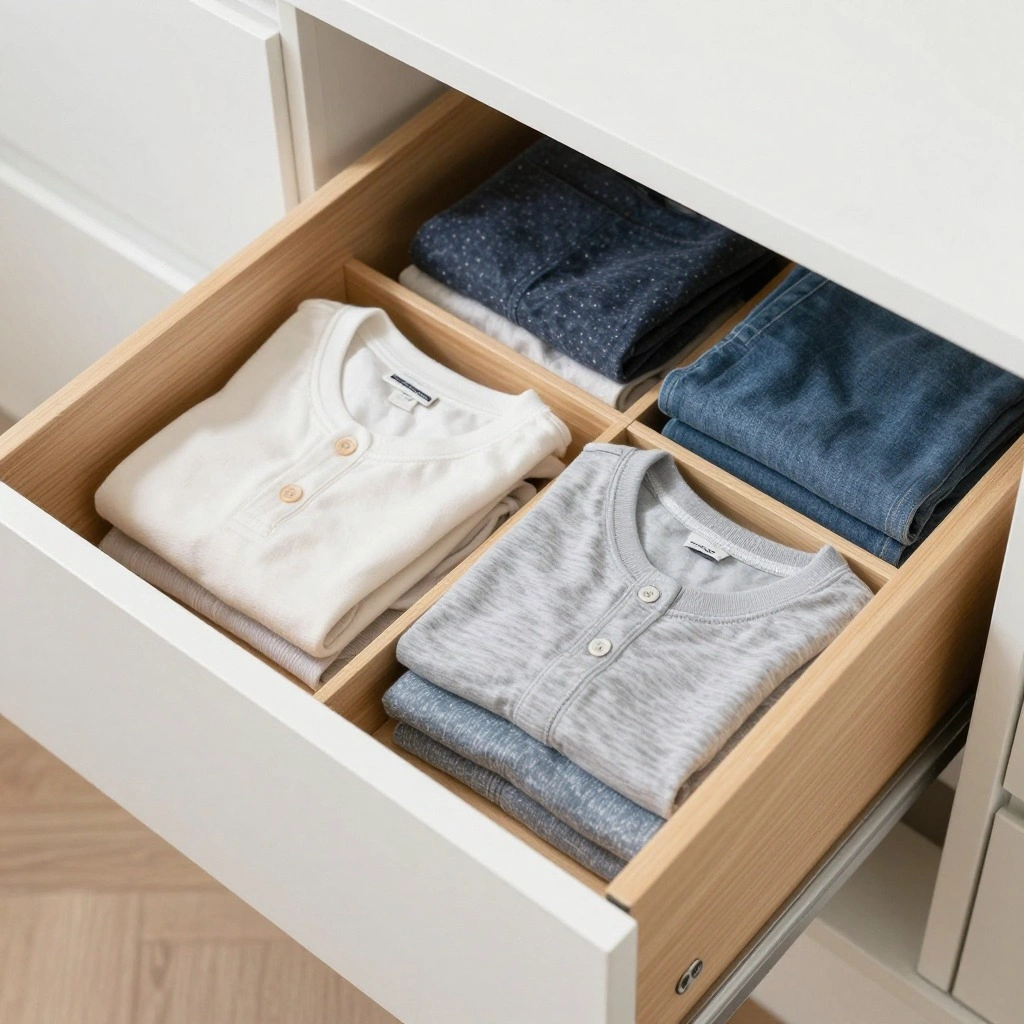
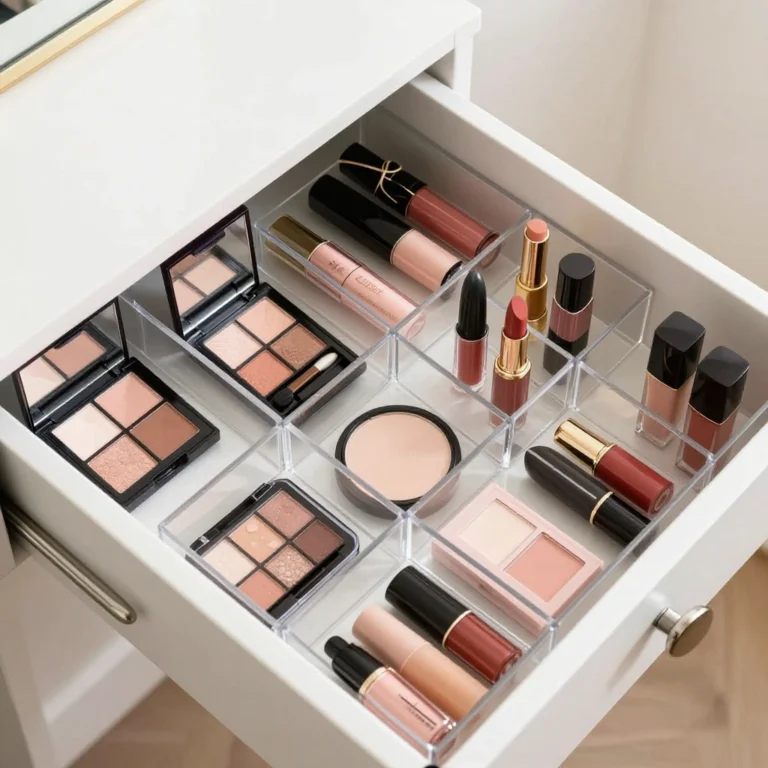
Turn a messy drawer into an organized grid with dividers. This works wonders for folded shirts, kids’ pajamas, socks, and accessories that tend to get jumbled together.
How to Style It:
- Use adjustable wooden or fabric dividers to create custom-sized sections
- Fold clothing vertically so everything is visible from above
- Dedicate one drawer per category: socks, undergarments, pajamas
Where to Use It: Built-in closet drawers, dressers inside a walk-in closet, or under-bed storage.
Pro Tip: Vertical folding (rather than stacking) means kids can easily see and grab what they need without creating a mess.
6. Accessory Hook Rail
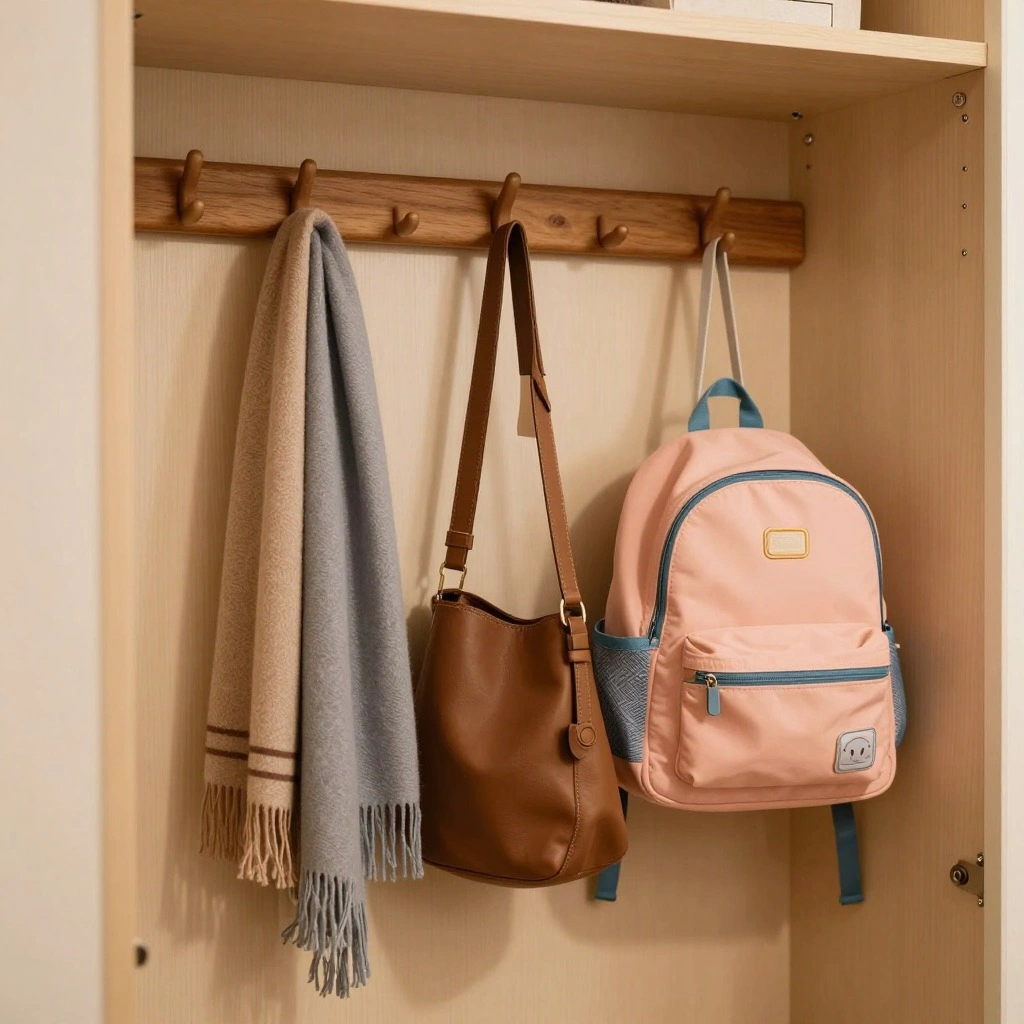
A simple row of hooks can solve the eternal problem of tangled scarves, bags, and hats. It’s a quick win that adds function and a decorative touch.
How to Style It:
- Mount a wooden or matte black hook rail at an accessible height
- Hang bags, scarves, and hats in rotation with the seasons
- Add a lower rail for children so they can hang up their own backpacks or jackets
Where to Use It: Inside closet doors, entryway closets, or alongside a hanging rod.
Pro Tip: A second, lower hook rail for kids encourages independence and cuts down on floor clutter.
7. Over-the-Door Storage Pockets
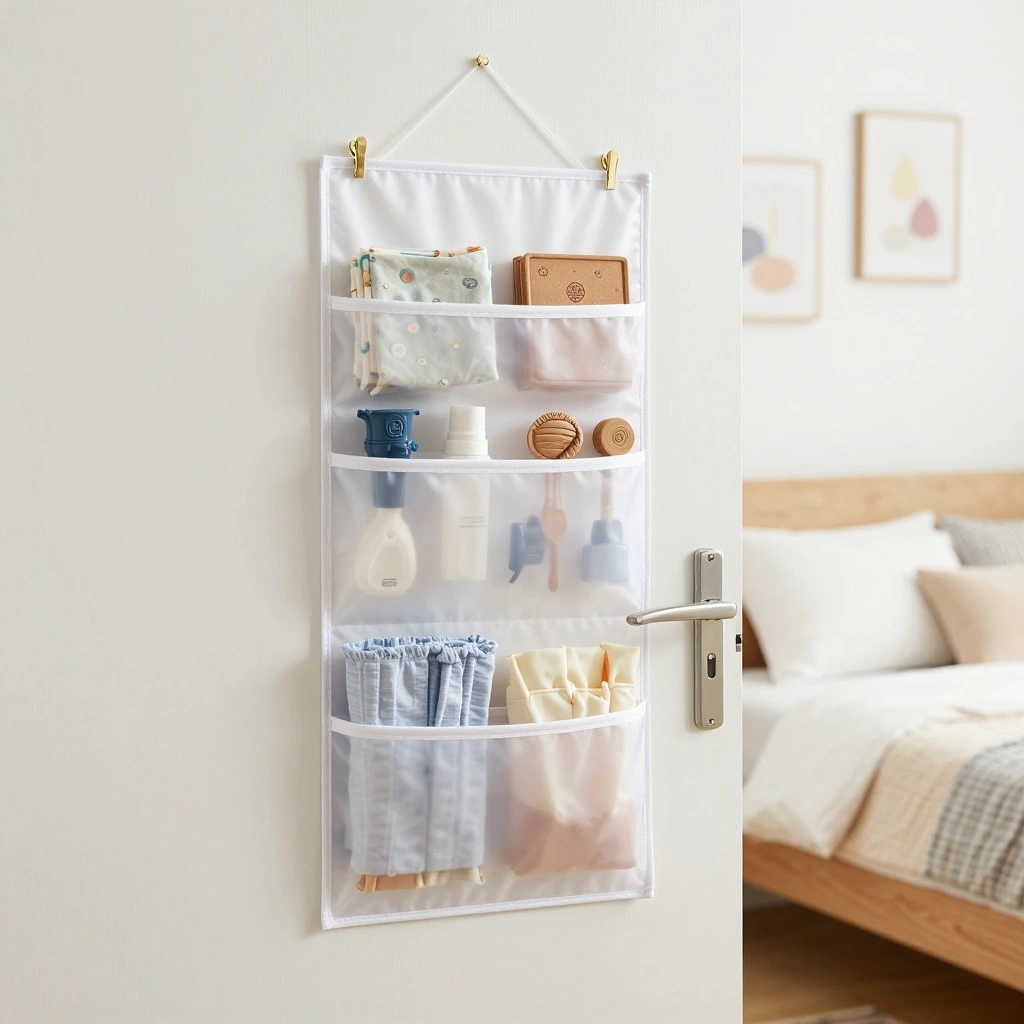
Don’t let the back of your closet door go to waste. A fabric or clear pocket organizer adds instant storage for small items without taking up any floor space.
How to Style It:
- Choose a clear-pocket organizer so contents are easy to identify
- Use pockets for kids’ hair accessories, small toys, or folded socks
- Keep frequently used items in the lower pockets for easy reach
Where to Use It: The back of any closet door, including kids’ rooms and linen closets.
Pro Tip: This is one of the most budget-friendly ways to add storage without any tools or installation.
8. Color-Coded Wardrobe System
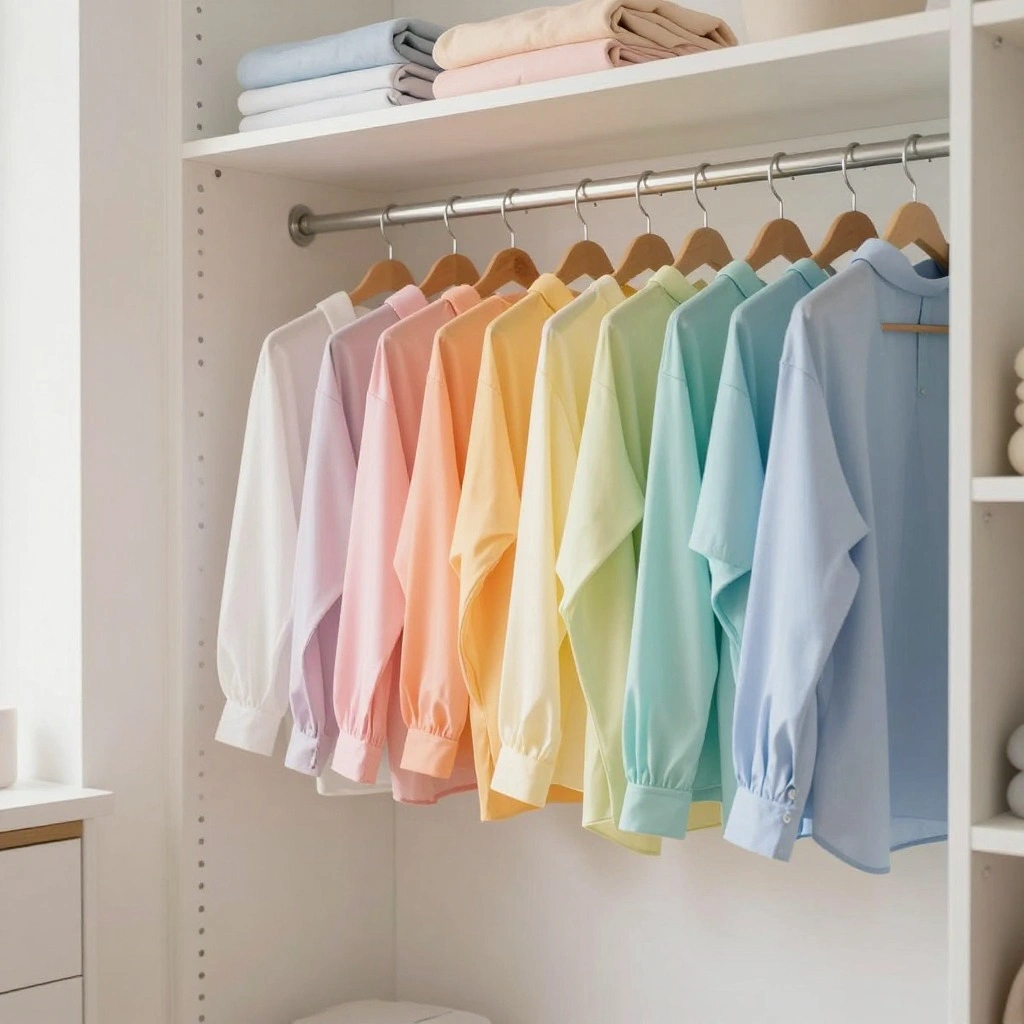
Organizing clothes by color isn’t just beautiful — it makes getting dressed faster for the whole family, especially little ones still learning to pick outfits.
How to Style It:
- Arrange hanging clothes in a gentle rainbow gradient, light to dark
- Apply the same system to folded shelves and drawers
- Keep each family member’s section consistent for easy identification
Where to Use It: Main hanging closets, shared family closets, or kids’ wardrobes.
Pro Tip: A color-coded system helps children get dressed independently, since they can quickly spot the shirt or dress they’re looking for.
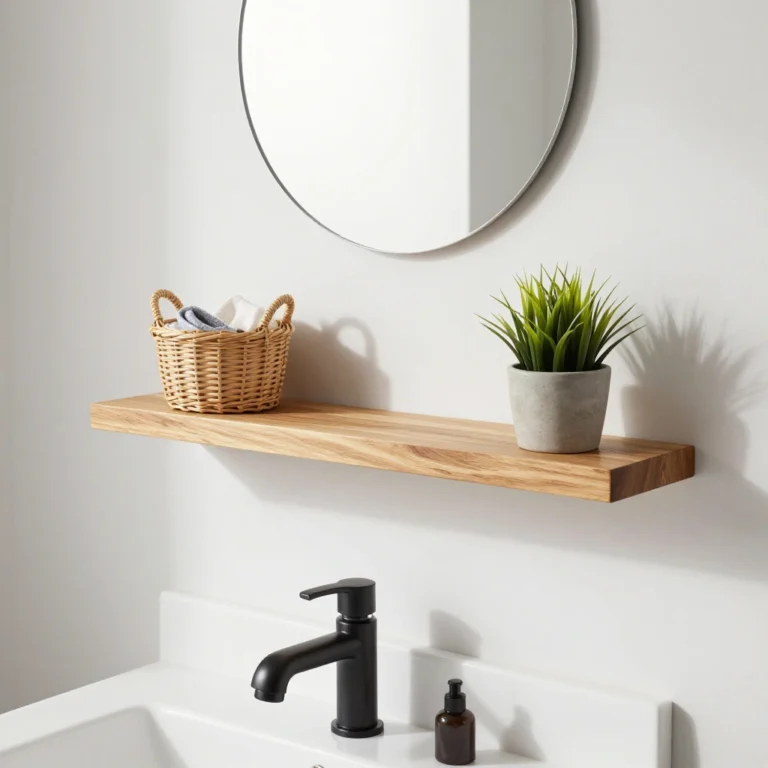
9. Floating Shelf Display
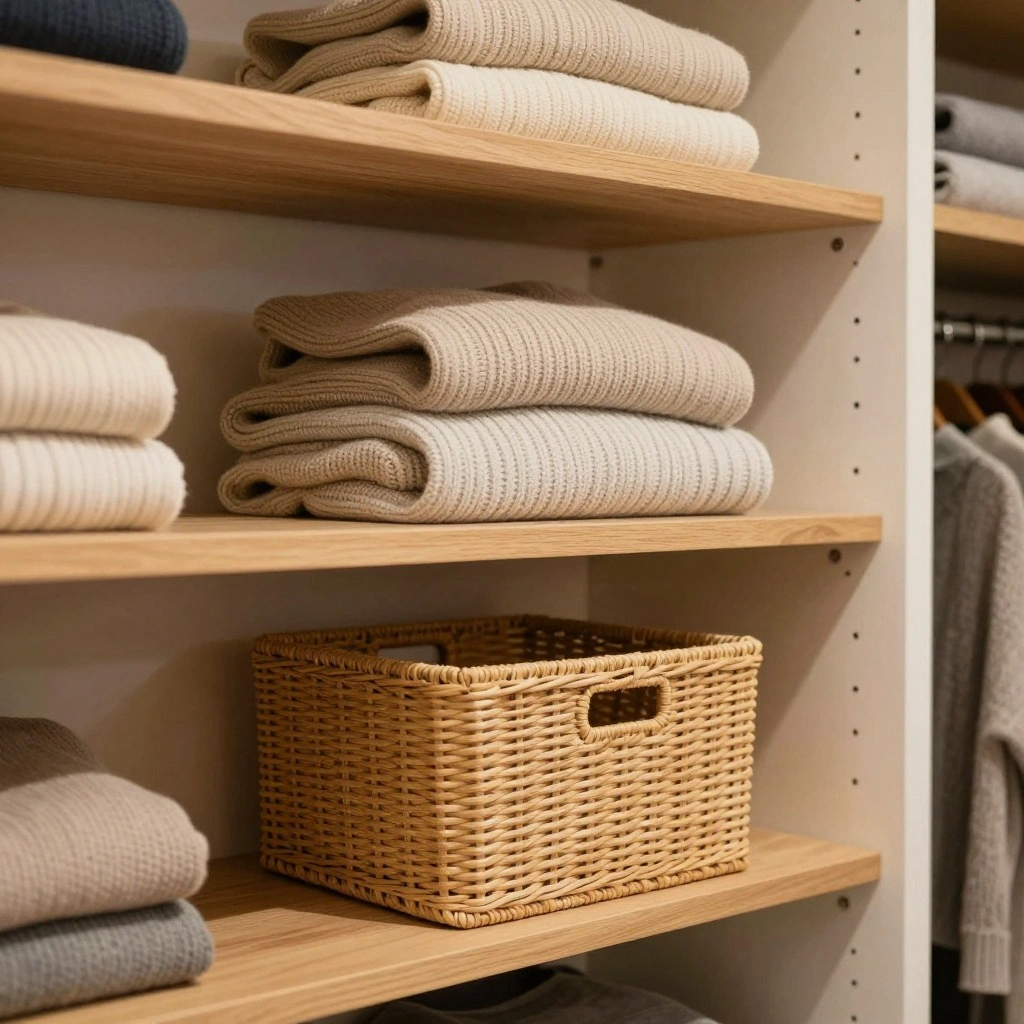
Open floating shelves add both storage and a decorative element to a closet. They’re perfect for folded sweaters, keepsake boxes, or displaying a few favorite bags.
How to Style It:
- Install shelves at varied heights to fit different item sizes
- Stack folded sweaters and place a woven basket for smaller items
- Leave a little breathing room between stacks so the shelf doesn’t feel crowded
Where to Use It: Walk-in closets, above a hanging rod, or in a nursery closet.
Pro Tip: Use woven baskets on the shelves to hide smaller, less photogenic items while keeping the display looking curated.
10. Kids’ Reachable Zone
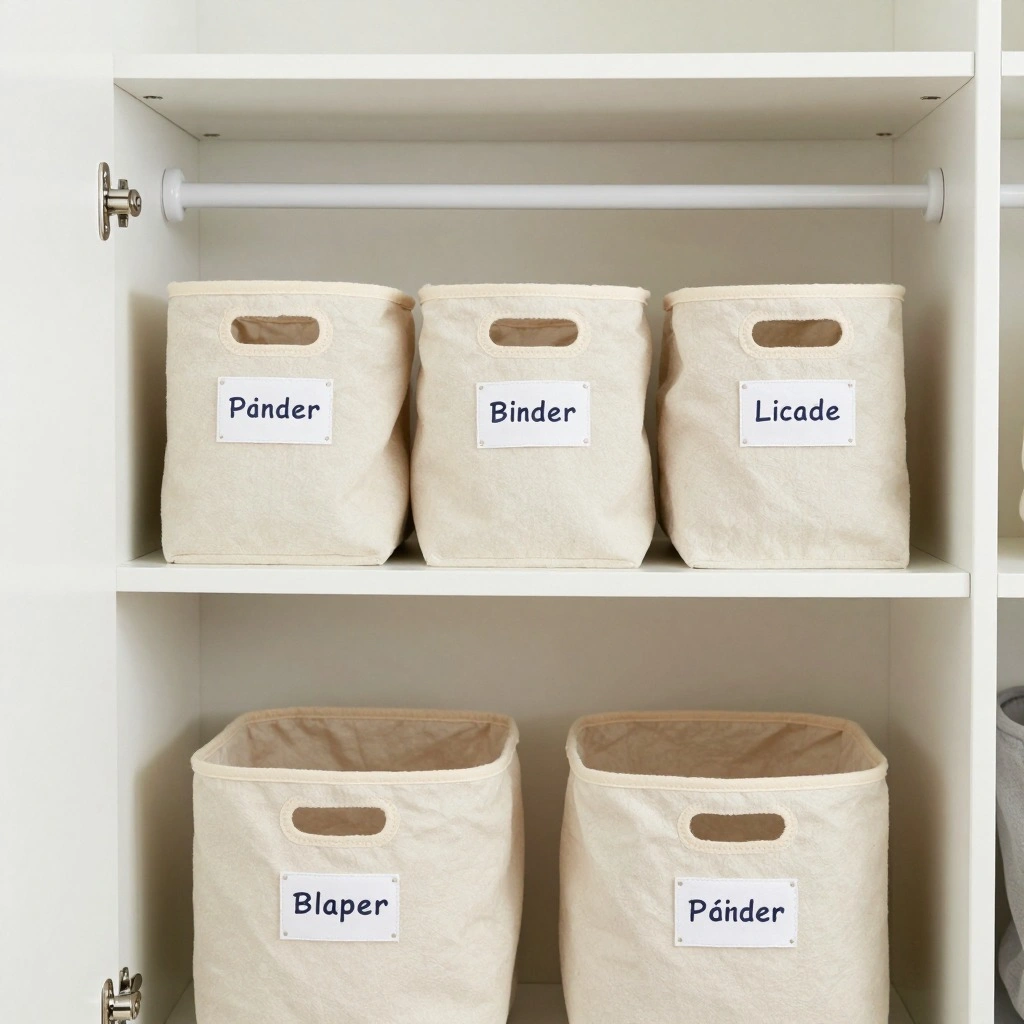
Design a low section of the closet specifically for children — hooks, bins, and a rod they can actually reach. This small change builds independence and cuts down on daily battles.
How to Style It:
- Lower a section of rod to a child-friendly height
- Add labeled bins with pictures for non-readers
- Use soft-close bins or fabric baskets to prevent pinched fingers
Where to Use It: Shared kids’ closets or a family closet with sections for each child.
Pro Tip: Rotate seasonal clothing out of the reachable zone so kids only see what actually fits and is in season.
11. Jewelry and Accessory Drawer Organizer
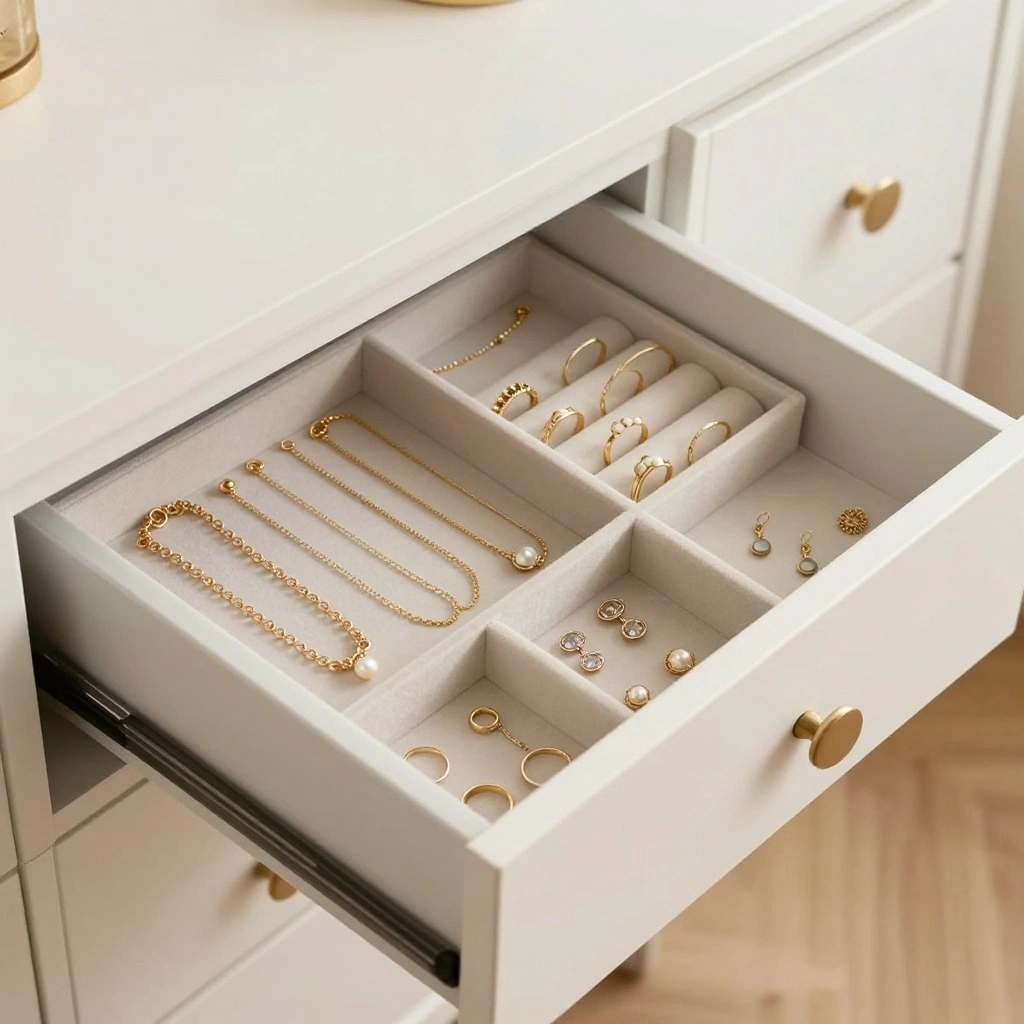
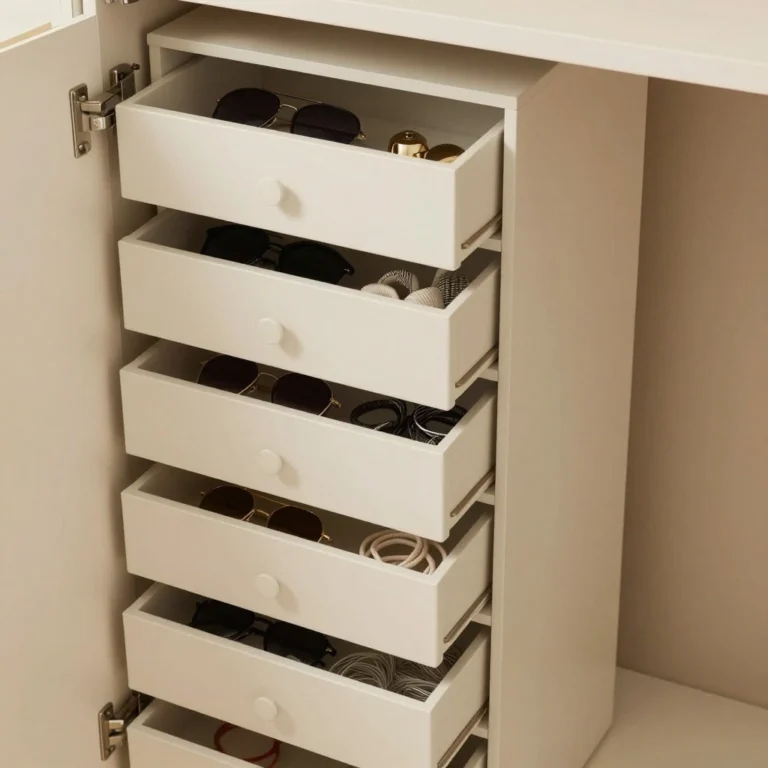
Tangled necklaces and lost earrings are a thing of the past with a dedicated jewelry drawer insert. Small velvet-lined compartments keep every piece visible and protected.
How to Style It:
- Choose a drawer insert with a mix of small compartments and hooks for necklaces
- Separate everyday pieces from special-occasion items
- Add a soft cloth lining to prevent scratches
Where to Use It: A dresser drawer inside a walk-in closet, or a slim drawer unit near a vanity area.
Pro Tip: Keep a small dish or tray on top of the dresser for the jewelry you wear daily, so it’s always within easy reach.
12. Closet Bench with Hidden Storage
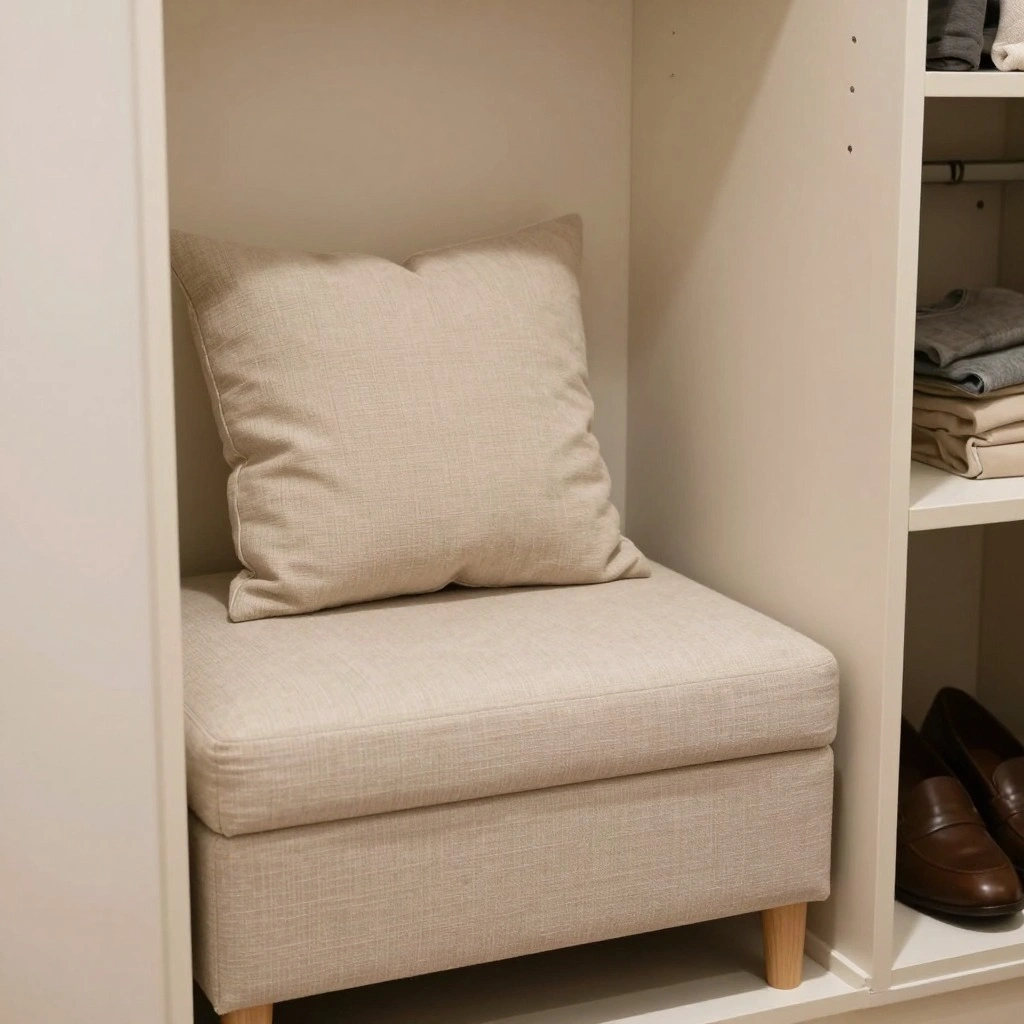
A small bench at the center or end of a closet adds a place to sit while getting dressed, plus hidden storage underneath for out-of-season items or extra linens.
How to Style It:
- Choose a bench with a lift-top lid or pull-out baskets underneath
- Add a soft cushion in a neutral or family-friendly pattern
- Use the hidden storage for off-season clothing, shoes, or spare blankets
Where to Use It: Walk-in closets with enough floor space, or a shared family closet with room for a small seat.
Pro Tip: This is a great spot to help younger kids sit down while putting on socks and shoes, making mornings a little smoother.
Common Mistakes to Avoid
- Organizing without decluttering first. Sorting cluttered, unused items into pretty bins just creates organized clutter. Remove what you no longer need before setting up any system.
- Choosing storage that doesn’t fit your space. Always measure before buying bins, rods, or shelving units.
- Ignoring vertical space. Many closets waste the upper third of the space — floating shelves and stacked bins can capture it.
- Skipping labels. Labels help every family member — including kids — maintain the system long after the initial organizing day.
- Forgetting to plan for growth. Kids’ clothing sizes and interests change quickly, so build in flexibility rather than a rigid, permanent setup.
Frequently Asked Questions Closet Organization Ideas
What’s the cheapest way to organize a closet? Slim hangers, over-the-door pockets, and clear labeled bins are some of the most affordable upgrades, often costing very little while making a big visual and functional difference.
How do I organize a small closet with no extra room? Focus on vertical space with a double-hang rod, floating shelves, and door-mounted storage. These additions don’t require floor space but significantly increase capacity.
How can I get kids involved in closet organization? Give them a reachable zone with labeled bins and a lower rod. Letting them help choose labels or bin colors also builds a sense of ownership and makes tidying up easier.
How often should a closet be reorganized? A seasonal check-in (about every 3–4 months) works well for most families, especially to rotate clothing as kids grow and seasons change.
Conclusion
An organized closet isn’t just about looking tidy — it’s about saving time, reducing stress, and creating a space that works for every member of the family, including the kids. Start with one or two ideas from this list, like a double-hang rod or a labeled bin station, and build from there. Small, consistent changes add up to a closet that truly makes daily life easier.