10 Genius Fridge Organization Ideas for Smarter Food Storage
Ever open your fridge looking for one thing and end up staring at a jumbled mess of containers, half-empty jars, and mystery leftovers? You’re not alone. A little bit of structure can turn your fridge from chaotic to calm in just one afternoon, no fancy renovation required.
Whether you’re feeding a big family, meal-prepping for the week, or just tired of throwing out food you forgot about, these 10 fridge organization ideas are simple, budget-friendly, and easy to maintain. Let’s turn that fridge into a space that actually works for you.
10 Genius Fridge Organization Ideas for Easy Everyday Storage
1. Clear Bin Zones for Every Category
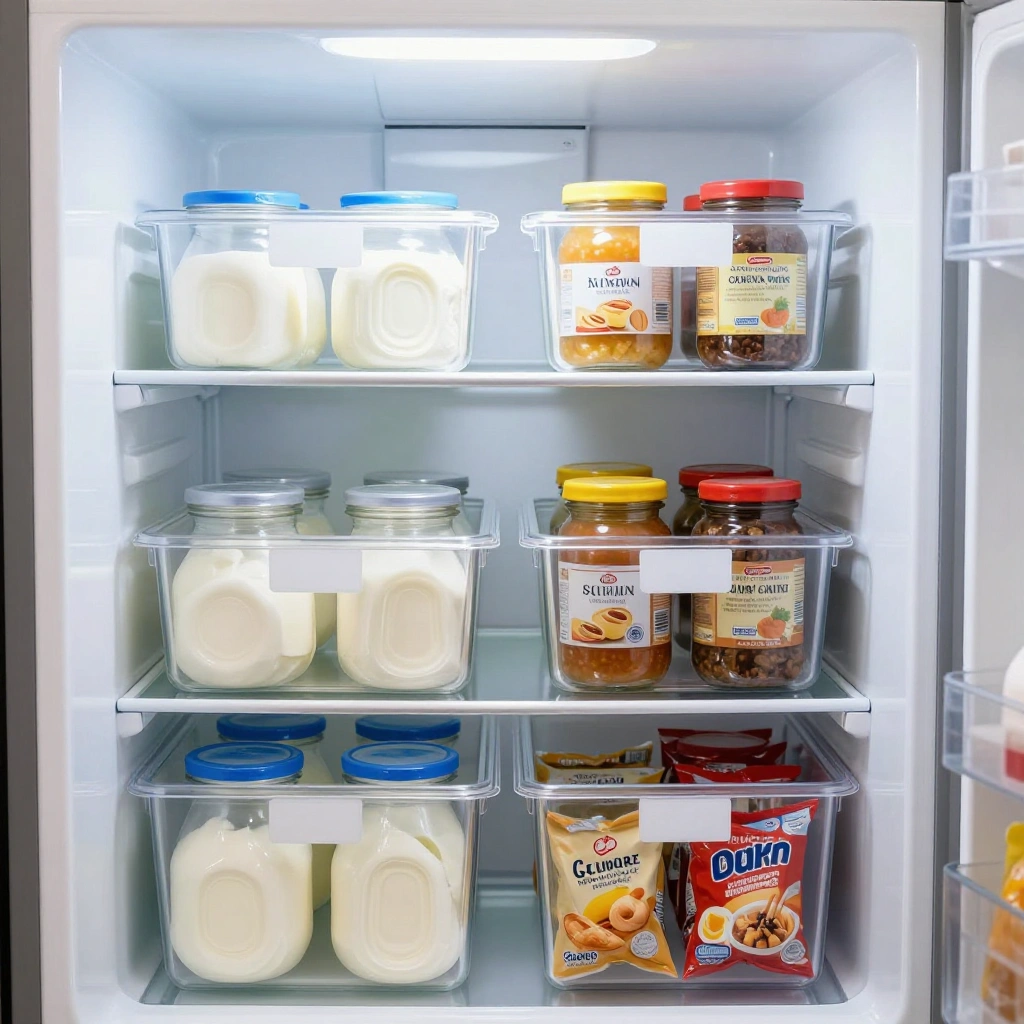
Group similar items into clear, labeled bins — dairy, snacks, condiments, leftovers — so everything has a home and nothing gets lost in the back.
How to Style It:
- Use uniform clear acrylic or plastic bins for a clean, cohesive look
- Label each bin with a simple tag or chalkboard label
- Group by category, not by family member, to avoid overlap
Where to Use It: Middle shelves, where everyday items are grabbed most often.
Pro Tip: Leave one bin empty as a “use it up” zone for items nearing their expiration date.
2. Lazy Susan Turntables for Condiments
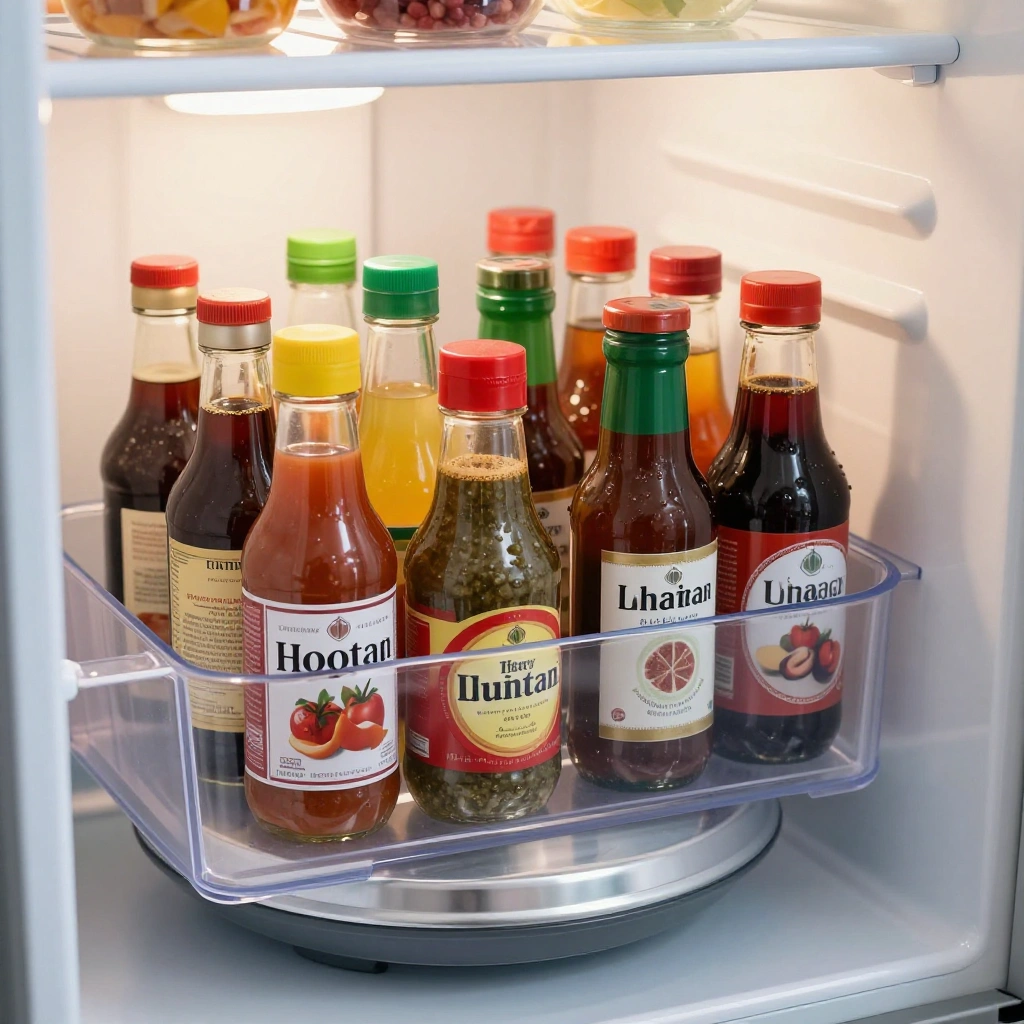
A rotating turntable makes it easy to reach every jar and bottle without digging through the whole shelf.
How to Style It:
- Choose a clear or bamboo turntable that fits your shelf height
- Arrange bottles by height, shortest in front
- Keep one turntable for sauces and one for jams and spreads
Where to Use It: Door shelves or a middle shelf where condiments tend to pile up.
Pro Tip: Wipe the turntable weekly to keep sticky spills from building up underneath jars.
3. Stackable Drawer Organizers for Produce
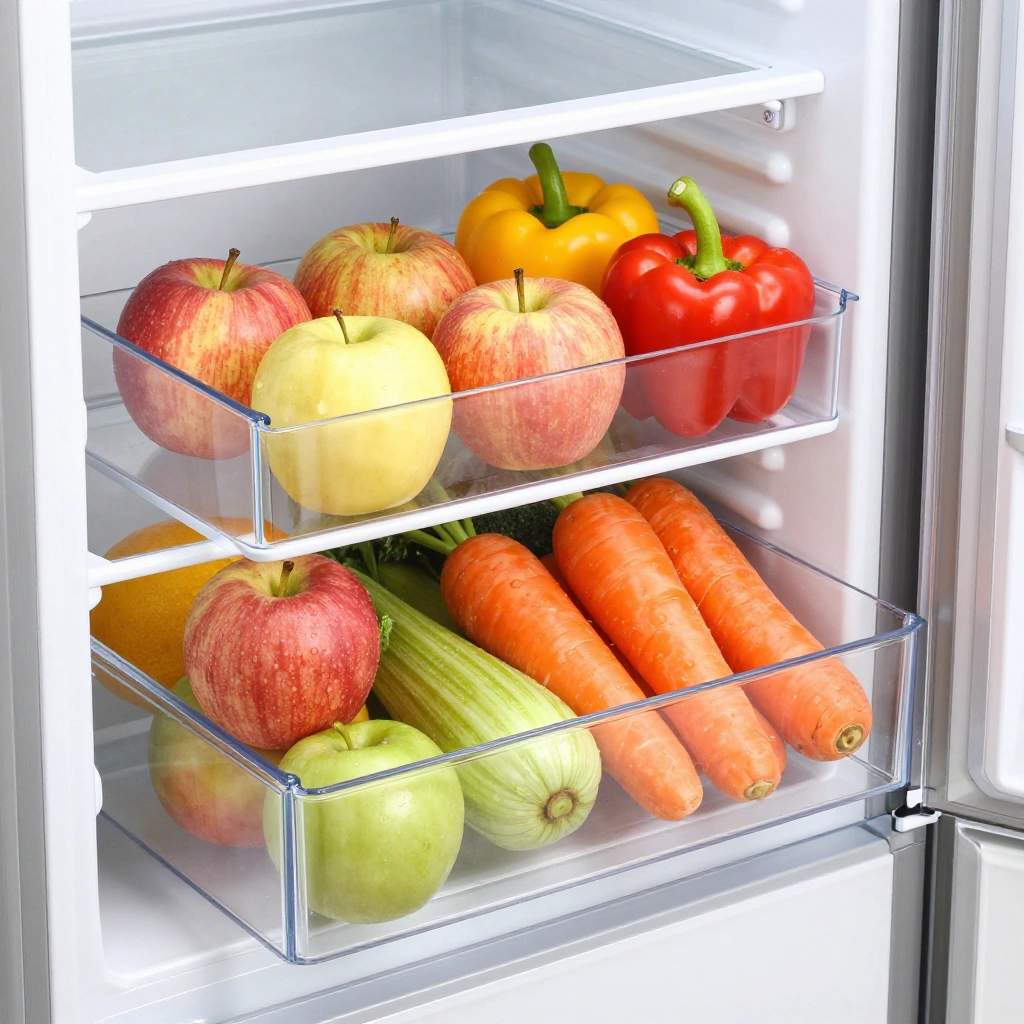
Keep fruits and vegetables fresh and visible with stackable, ventilated drawer organizers instead of letting them roll around loose.
How to Style It:
- Use tiered organizers so nothing gets crushed at the bottom
- Separate fruits from vegetables to keep ethylene-sensitive produce fresher longer
- Add a small liner or paper towel to absorb excess moisture
Where to Use It: The crisper drawers at the bottom of the fridge.
Pro Tip: Wash produce right before eating, not before storing, to help it last longer.
4. A Dedicated “Grab-and-Go” Snack Shelf
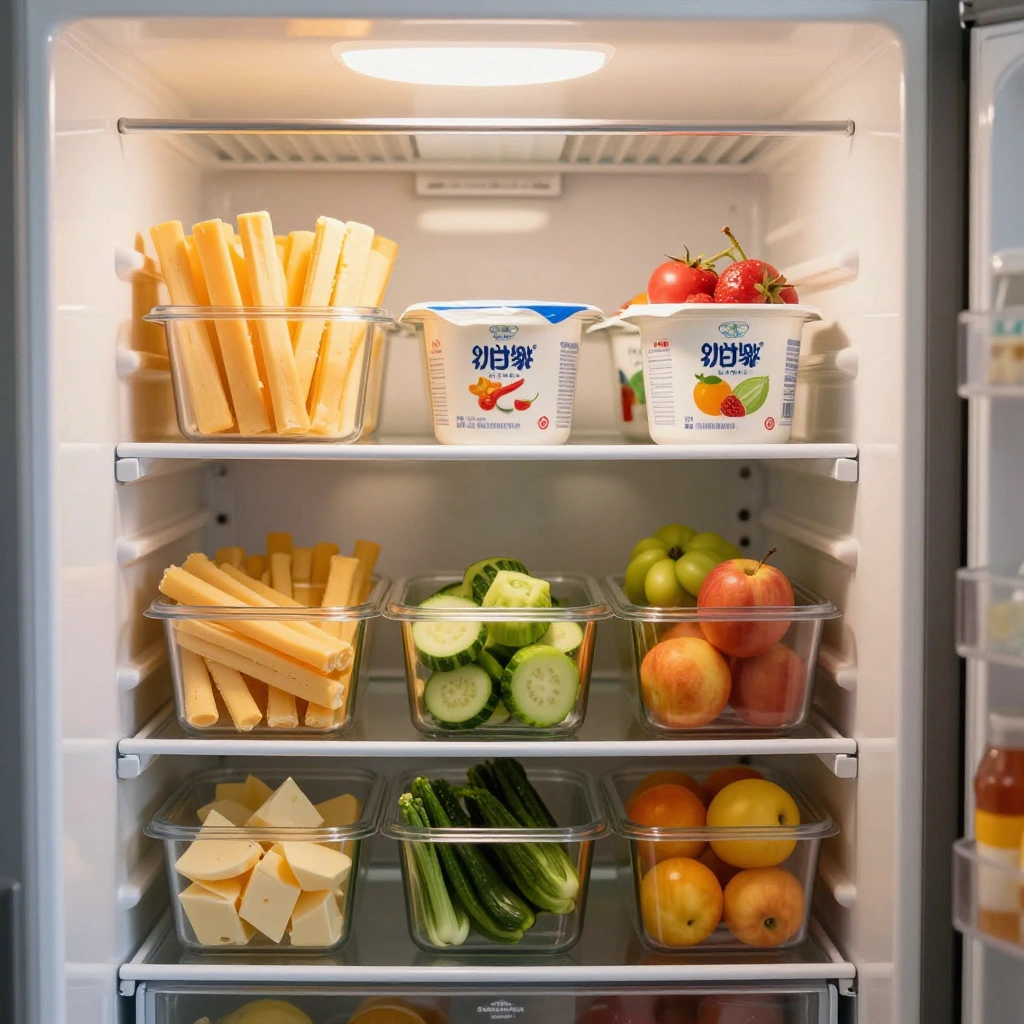
Set up one shelf just for ready-to-eat snacks so kids (and adults) can serve themselves without rummaging.
How to Style It:
- Use small clear bins for individual snack portions
- Keep it at a lower, kid-reachable shelf height
- Rotate in fresh fruit cups, cheese sticks, and pre-cut veggies
Where to Use It: A lower shelf or the bottom shelf, within easy reach for children.
Pro Tip: Refill the snack shelf right after grocery shopping so it’s always ready for the week.
5. Egg and Dairy Trays with Defined Slots
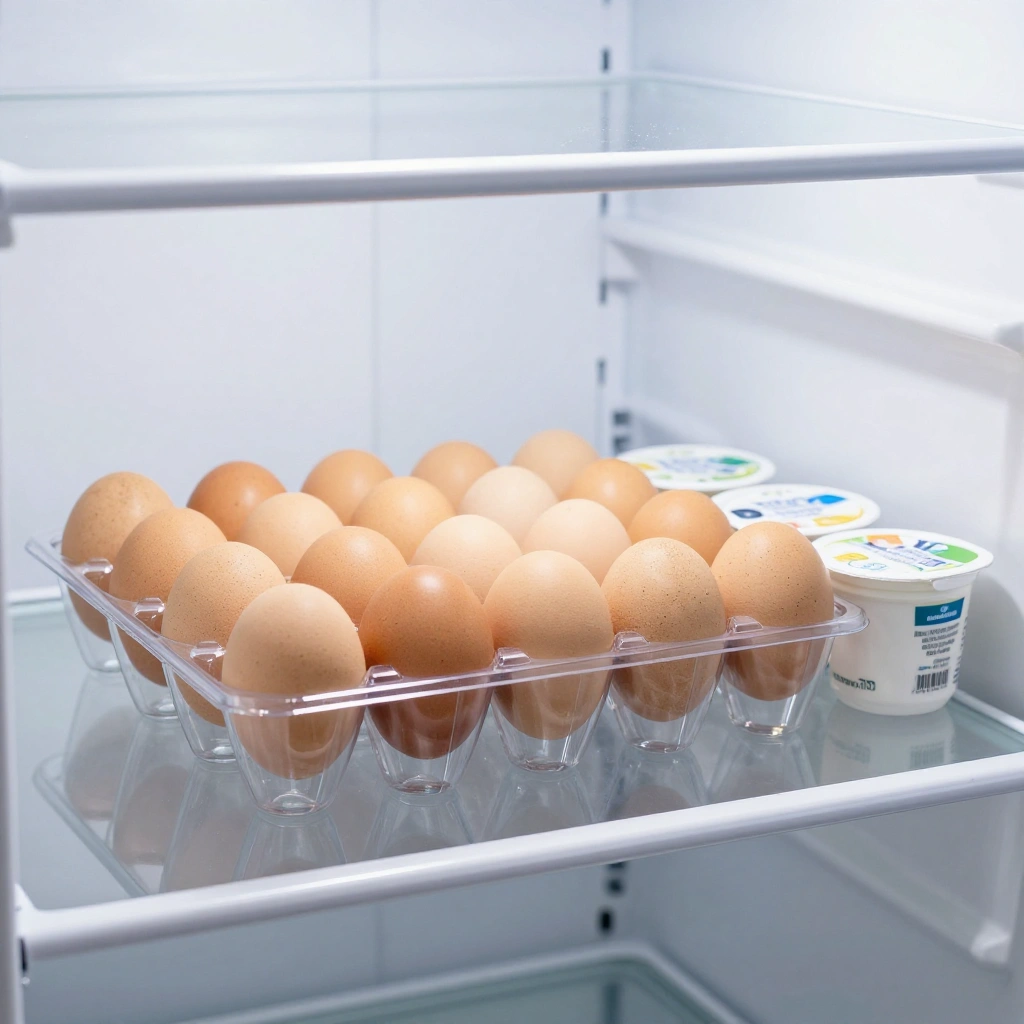
Skip the flimsy door shelf and use a proper tray with individual slots to keep eggs and small dairy items secure and easy to count at a glance.
How to Style It:
- Choose a tray with a lid to keep eggs protected
- Pick a tray color that complements your fridge interior
- Keep a matching tray for small yogurt cups nearby
Where to Use It: A stable middle shelf, away from the door where temperature fluctuates.
Pro Tip: Store eggs pointed-end down to help them stay fresher longer.
6. Labeled Leftover Containers with a “First In, First Out” System
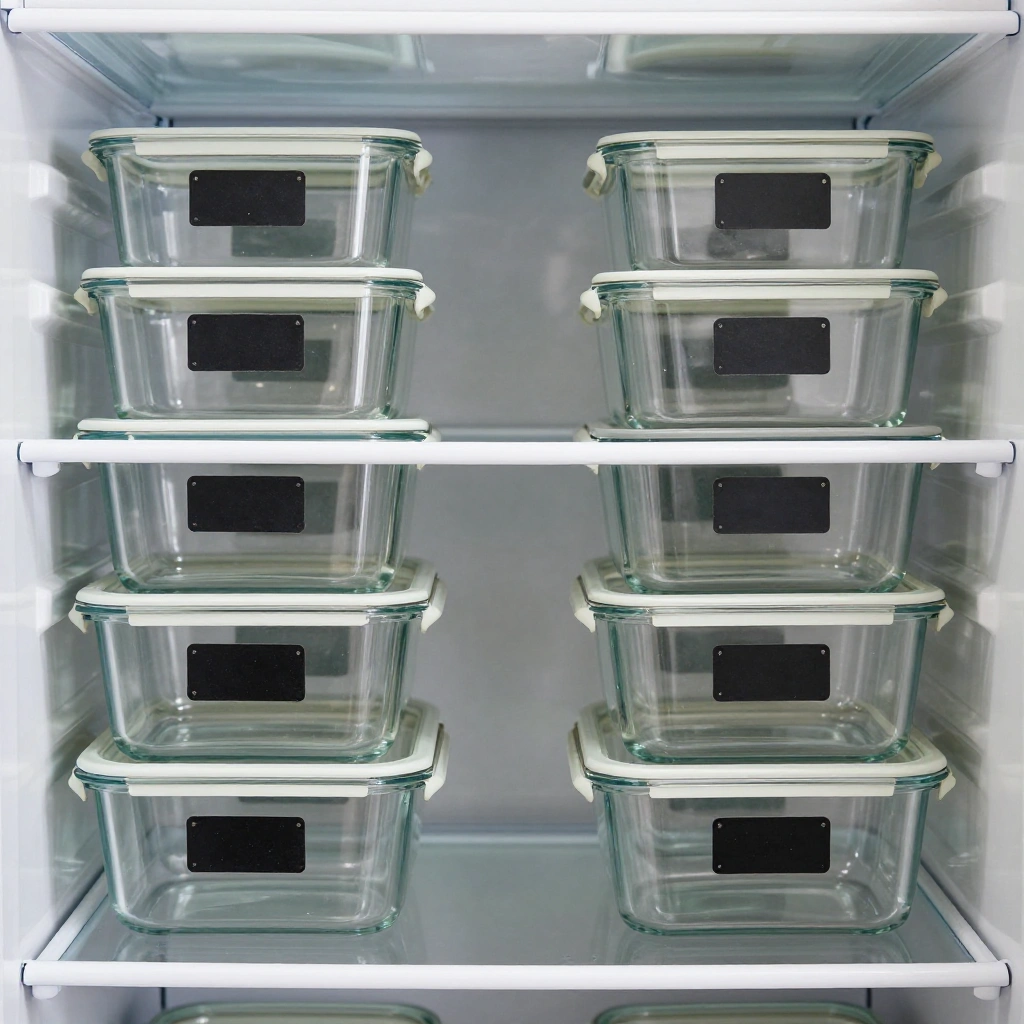
Use matching, stackable glass containers labeled with the date so leftovers get eaten, not forgotten.
How to Style It:
- Choose uniform glass containers with airtight lids for a streamlined look
- Add a small dated label or reusable chalk label to each container
- Place newer leftovers behind older ones so older food gets used first
Where to Use It: Eye-level shelf, so leftovers are seen and not ignored.
Pro Tip: Set a weekly “leftovers night” so nothing goes to waste.
7. A Door Shelf System for Bottles and Jars
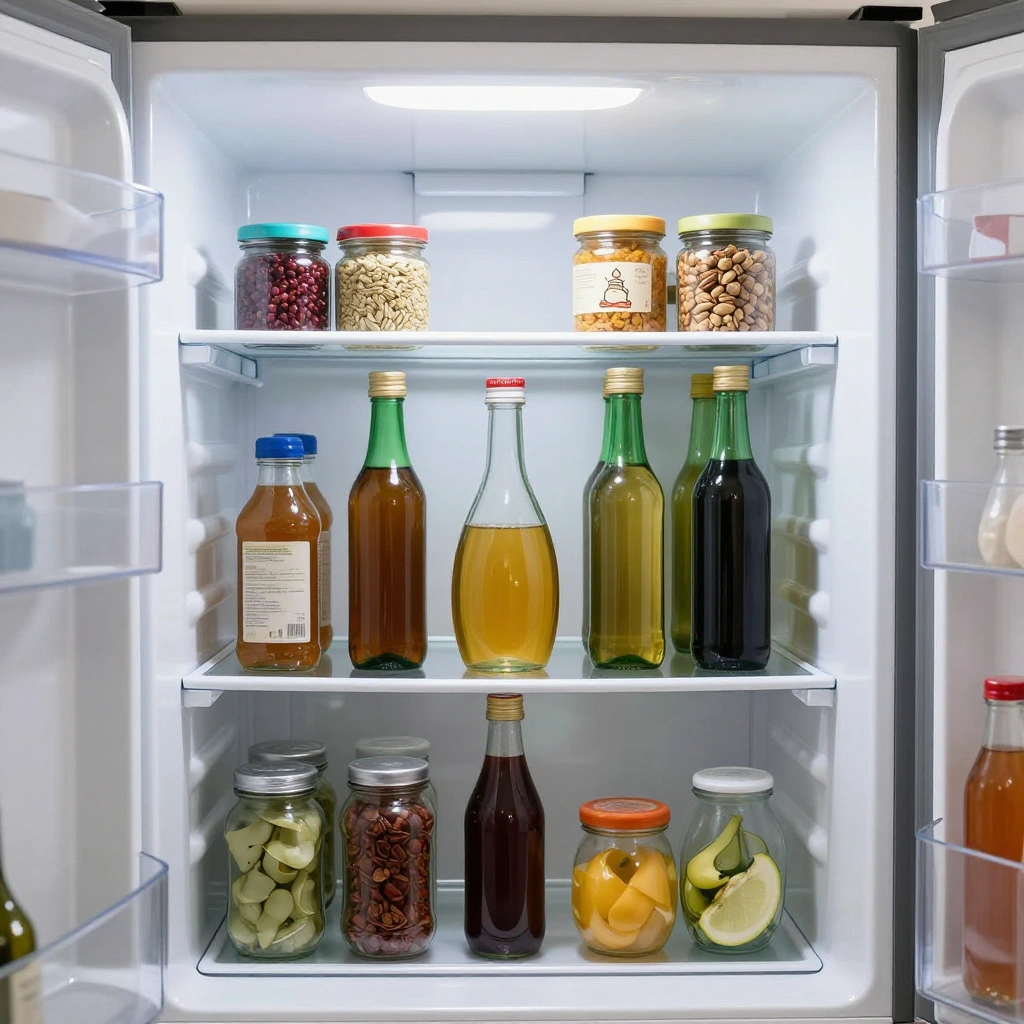
Reorganize door shelves by height and weight so nothing tips over when the door opens and closes.
How to Style It:
- Place taller bottles in the bottom door shelf
- Use small bins on upper door shelves for smaller jars like spreads or dressings
- Keep frequently used items on the top shelf for easy access
Where to Use It: All door shelf tiers, sorted from tallest (bottom) to shortest (top).
Pro Tip: Avoid storing milk in the door — the temperature there fluctuates the most, so keep milk on an interior shelf instead.
8. A Clear Drink Station for Kids
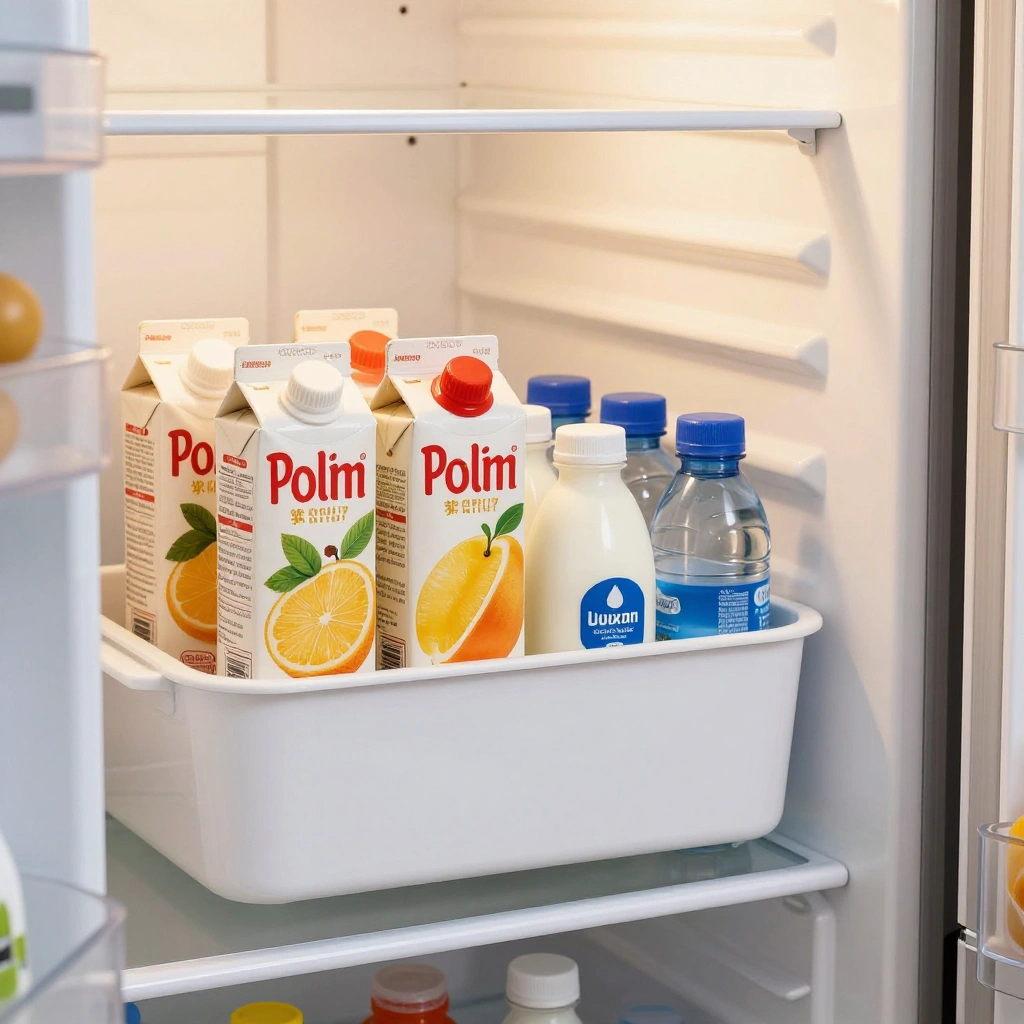
Set aside one easy-to-reach shelf or bin filled with juice boxes, water bottles, and milk cartons so kids can help themselves safely.
How to Style It:
- Use a wide, shallow bin so drinks don’t tip over
- Keep it on the lowest shelf for little hands to reach
- Add a small chalkboard label that says “Drinks” for easy recognition
Where to Use It: Bottom shelf or a bottom door shelf.
Pro Tip: Choose spill-proof cartons and lidded bottles to keep the drink station mess-free.
9. A Meal Prep Zone for the Week
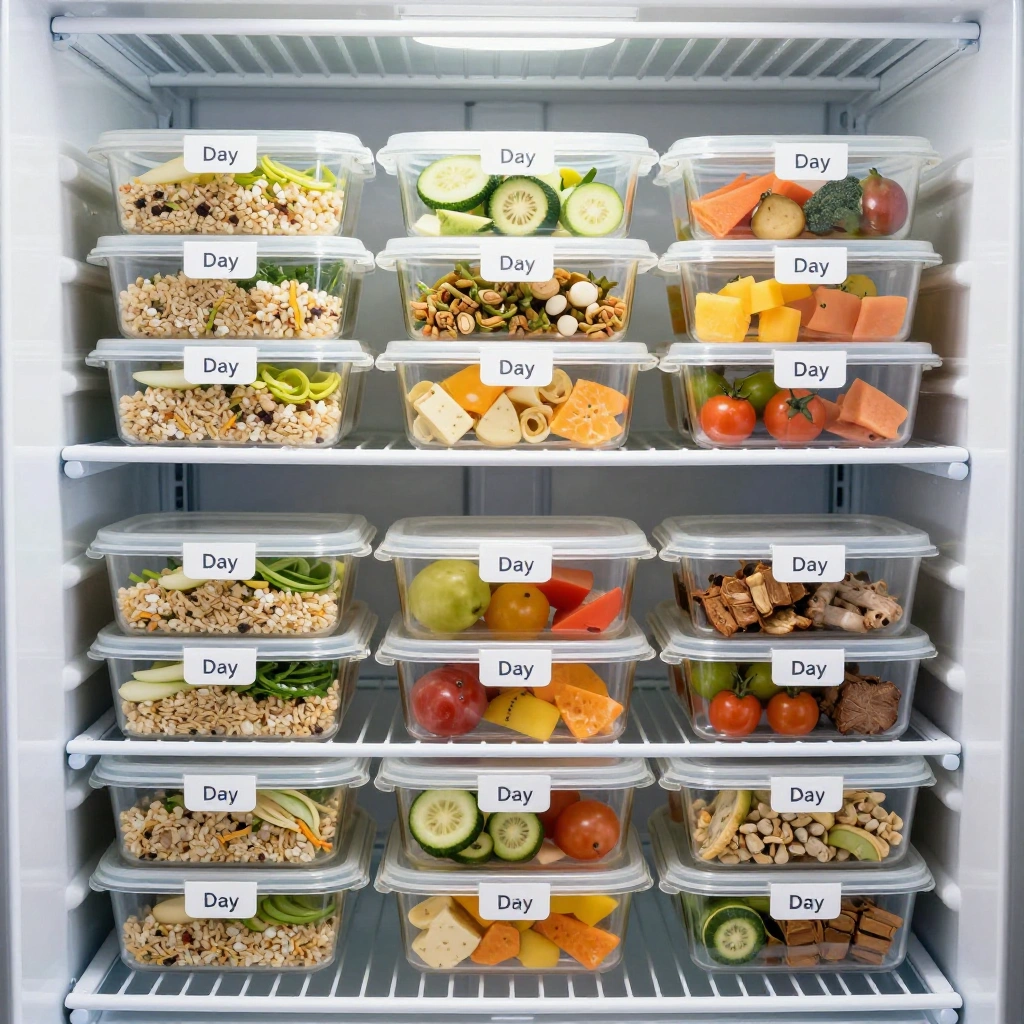
Reserve one full shelf for the week’s prepped meals so healthy eating stays simple and grab-and-go.
How to Style It:
- Use uniform stackable containers labeled by day of the week
- Keep proteins, grains, and vegetables prepped separately for mix-and-match meals
- Add a small whiteboard nearby to jot down what’s prepped
Where to Use It: A full middle shelf with enough height clearance for stacked containers.
Pro Tip: Prep only 3–4 days at a time so meals stay fresh and appealing.
10. A Fridge Command Center for Family Notes
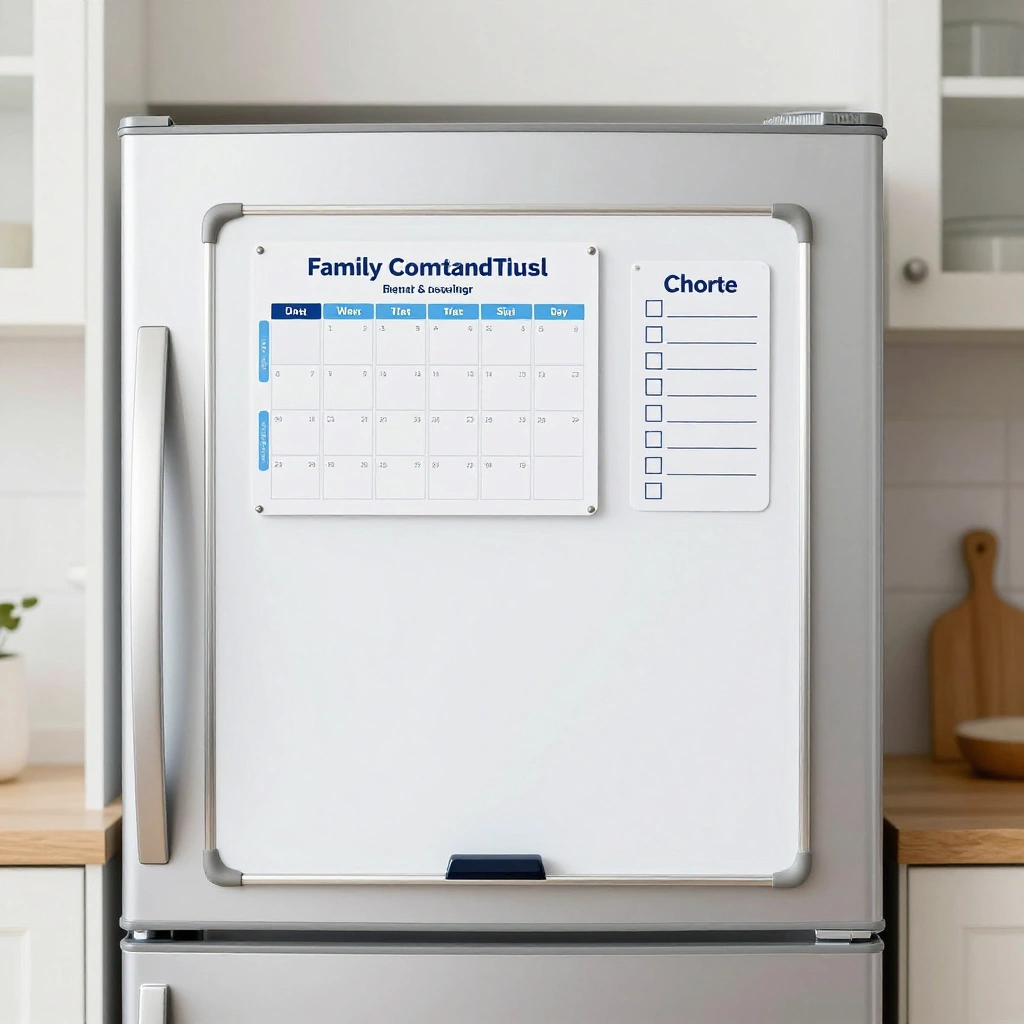
Turn the fridge door exterior into a family hub with a small whiteboard, magnetic calendar, and chore chart to keep everyone on the same page.
How to Style It:
- Use a slim magnetic whiteboard for daily reminders
- Add a magnetic weekly calendar for schedules and appointments
- Include a small chore chart with checkboxes for kids
Where to Use It: The exterior front of the fridge door, at a height visible to the whole family.
Pro Tip: Keep a small cup of magnetic markers attached nearby so notes are always easy to update.
(Private – AI image prompt, not for the article): A realistic photo of a refrigerator exterior door styled as a family command center, featuring a slim magnetic whiteboard, a weekly magnetic calendar, and a simple chore chart with checkboxes, bright modern kitchen background, tidy and cheerful, no people, no text.
Common Mistakes to Avoid
- Overpacking shelves: Air needs to circulate for your fridge to cool evenly — leave a little breathing room.
- Ignoring temperature zones: The door is the warmest part of the fridge; save it for condiments, not dairy or eggs.
- Skipping labels: Without labels, even the best system falls apart within a week.
- Forgetting to rotate food: Always place newer items behind older ones to avoid forgotten leftovers.
- Using mismatched containers: Uniform containers stack better and make more efficient use of space than random shapes and sizes.
Frequently Asked Questions
How often should I clean out my fridge? A quick wipe-down once a week and a deeper clean-out once a month will keep things fresh and prevent buildup.
What’s the best way to organize a small fridge? Focus on vertical space with stackable bins and slim organizers, and dedicate one shelf to your most-used items to avoid digging around.
Do I need to buy special containers? Not at all — any clear, stackable containers you already own work great. The key is consistency, not brand names.
How can I get kids involved in fridge organization Ideas? Give them their own labeled snack or drink shelf at a reachable height so they feel ownership over keeping it tidy.
Conclusion
You don’t need a full kitchen remodel to enjoy a fridge that actually makes sense. With a few clear bins, some smart zoning, and a little consistency, your fridge can become one of the most functional — and least stressful — spots in your home. Pick two or three ideas from this list to start, and build from there as your routine settles in.